Skip to content
Semiliki National Park


Semliki National Park is situated in the extreme West of Uganda, in the Bundibugyo District. It lies along the Uganda/ Democratic Republic of Congo (DRC) border within the Western arm of the East African Rift Valley. In the Southeast are the Rwenzori Mountains, to the West is the DRC and to the North are the Semliki flats and Lake Albert further on. Semliki National Park is an Eastern extension of the vast Ituri forest in DRC. It forms part of the forest continuum resulting from the climatic upheavals of the Pleistocene and therefore one of the richest areas for both flora and fauna in Africa.

Semliki National Park, the hidden gem for birdwatchers in Uganda, promises a rich avian diversity, unique habitats, and opportunities to spot rare and endemic species. Whether you’re a novice birder or a seasoned enthusiast, this park offers something special for everyone. By planning your next birdwatching adventure to Semliki National Park, you not only satisfy your passion for birding but also become a part of vital conservation efforts. It’s time to create unforgettable memories in this exceptional avian wonderland that Uganda has to offer.

Discover the Birding Paradise in Africa: Birding in Semuliki National park

Nestled in the heart of Africa, Uganda beckons bird enthusiasts with its diverse ecosystems and an abundance of bird species. If you’re passionate about birdwatching, look no further than Semliki National Park. This lesser-known gem promises a unique birding experience that’s bound to leave you in awe. In this article, we explore why Semliki National Park stands out as one of Uganda’s premier birding destinations and why it should top your list for your next birdwatching adventure.

Unlocking the Wonders of Semliki’s Birdlife

Semliki National Park showcases an astonishing diversity of avian species, making it a must-visit destination for bird enthusiasts. With over 400 bird species, including numerous West African and Central African specialities, this park offers a birding experience unlike any other in Uganda. Some of the remarkable species you can encounter here include the African Grey Parrot, the Nkulengu Rail, and the White-crested Hornbill. The park’s varied habitats, ranging from open savannahs to riverine forests, provide the perfect backdrop for spotting these beautiful birds.

Exploring Semliki National Park’s Varied Ecosystems

Semliki National Park is a haven for bird diversity, thanks to its range of unique habitats. The park’s most renowned feature is the Semliki River, surrounded by lush gallery forests that attract a variety of waterbirds. The park’s diverse landscape also encompasses savannah, grasslands, and swampy areas, each hosting different bird species. Delving into these various ecosystems offers birdwatchers a remarkable opportunity to observe a wide array of avian life.

The Quest for Rare and Endemic Birds in Semiliki National Park

Birders flock to Semliki National Park primarily for the chance to witness rare and endemic bird species. The park is a stronghold for the Congo Basin endemic species, such as the White-throated Blue Swallow and Yellow-throated Cuckoo. Additionally, Semliki is one of the best places to spot the visually striking and rarely seen African Piculet. For avid birdwatchers looking to expand their life lists, Semliki National Park is a treasure trove of unique avian sightings.

Birding in Semuliki National Park – Guided Uganda Birding Tours

For an enriched birding adventure in Semliki National Park, consider joining guided birding tours. Local experts possess an in-depth knowledge of the park’s bird life and can lead you to the prime birding locations. They will assist you in identifying and capturing photographs of the species you encounter and share valuable insights about the birds’ behaviors and habitats. This experience can significantly enhance your bird-watching adventure and ensure you don’t miss any of the park’s avian treasures.

Conservation and Sustainability

Semliki National Park is not just a birding paradise but also a place dedicated to conservation and sustainability. By visiting the park, you actively contribute to the preservation of these unique ecosystems and their inhabitants. The revenue generated from tourism supports local communities, which, in turn, plays a pivotal role in safeguarding the park’s natural heritage. It’s a win-win situation for both bird enthusiasts and the environment.


Birding in Bwindi Forest

Birds and Gorillas


Birding in Bwindi Forest with Gorillas

Birding in Bwindi Forest, combined with gorilla trekking, is an extraordinary and unforgettable adventure. It’s an immersion into Africa’s pristine and biodiverse landscapes that will leave lasting memories. Whether you’re a bird enthusiast, wildlife lover, or nature aficionado, Bwindi belongs on your bucket list. Come for the birds, stay for the gorillas, and depart with memories that will endure a lifetime.

Don’t Miss Your Chance Embark on this extraordinary journey by exploring Uganda’s exceptional birding destinations and experiencing the wonder of trekking with mountain gorillas in the enchanting Bwindi Impenetrable Forest. Book your adventure today and witness nature’s wonders unfold before your eyes.

Birding in Bwindi Forest: An Unforgettable Experience with Uganda’s Gorillas
Discover the allure of birding in Uganda’s breathtaking Bwindi Impenetrable Forest, a UNESCO World Heritage Site that offers not only exceptional birding opportunities but also the chance to encounter iconic mountain gorillas. In this article, we delve into the exciting world of birding in Bwindi Forest, showcasing its unique avian diversity and the unforgettable experience of combining birding with gorilla trekking.

Bwindi Forest: A Jewel of Uganda’s Birding Scene

Bwindi Impenetrable Forest National Park is a true gem for bird enthusiasts. This ancient rainforest boasts over 350 bird species, including 23 Albertine Rift endemics, making it a must-visit for birdwatchers.

Albertine Rift Endemics: Bwindi’s location in the Albertine Rift makes it an ideal spot to observe rare species like the Rwenzori Turaco, African Green Broadbill, and Grauer’s Rush Warbler.
Varied Habitats: The park’s diverse ecosystems, ranging from montane forest to bamboo, provide a wide range of niches for birdlife. Novices and seasoned birders alike can enjoy the rich avian diversity.
Guided Birding Tours: Bird Uganda Safaris offers expert-led birding tours, ensuring you explore the best birding spots and gain insights into the unique species you encounter.
Uganda Birding with Gorillas: A Wildlife Enthusiast’s Dream
Enhance your Bwindi adventure by combining birding with gorilla trekking, as the forest is not only a birding paradise but also a refuge for endangered mountain gorillas.

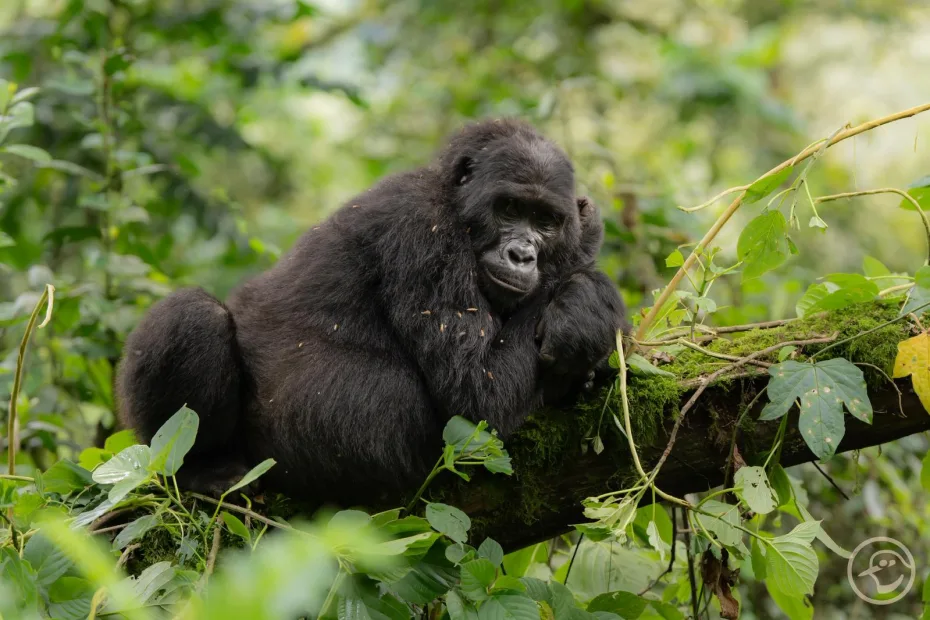
Gorilla Trekking: lush rainforest, surrounded by the melodious songs of birds as you embark on a gorilla trek. Bwindi is home to nearly half of the world’s mountain gorilla population, offering a chance to witness these majestic creatures up close.
Photographic Opportunities: Capture the vibrant plumage of birds, the soulful eyes of gorillas, and the enchanting landscapes of Bwindi, providing exceptional wildlife photography opportunities.
Conservation and Sustainability: Your participation in gorilla trekking and birding contributes to the conservation and protection of these species and their habitat, with permit fees directly supporting wildlife conservation efforts.
Top Birding Spots in Bwindi Forest
Explore Bwindi’s remarkable birding destinations:

Buhoma Sector: This sector is known for sightings of species like the African Blue and White-tailed Blue Flycatchers. Unique human-avian interactions can be found in adjacent communities and tea plantations.
Ruhija Sector: A must-visit for avid birders, this area offers species like Grauer’s Swamp Warbler, Grauer’s Broadbill, and the stunning Regal Sunbird.
Nkuringo Sector: Nkuringo boasts the Purple-breasted Sunbird, Handsome Francolin, and numerous other bird species. It’s also renowned for panoramic views of the Virunga Volcanoes.
Uganda Birding Safaris
Uganda’s appeal for birders extends beyond Bwindi Forest, with over 1,000 bird species to be found across its diverse landscapes, from the shores of Lake Victoria to the savannas of Murchison Falls National Park.

Uganda Birding Safaris
Uganda’s appeal for birders extends beyond Bwindi Forest, with over 1,000 bird species to be found across its diverse landscapes, from the shores of Lake Victoria to the savannas of Murchison Falls National Park.

Uganda Gorilla Trekking
A Once-in-a-Lifetime Adventure – Uganda’s commitment to gorilla conservation and sustainable tourism makes it one of the world’s best places to experience the thrill of encountering mountain gorillas in the wild.

Most Sought after birds of Bwindi Forest
Explore the enchanting avian diversity of Bwindi Forest with our guide to the most sought-after birds. From the elusive African Green Broadbill to the vibrant Rwenzori Turaco, uncover the feathered treasures of this pristine Ugandan wilderness

1. Handsome Francolin
2. Rwenzori Turaco
3. Rwenzori Nightjar
4. Dwarf Honeyguide
5. African Green Broadbill
6. Stripe-breasted Tit
7. Red-throated Alethe
8. Archer’s Ground Robin
9. Kivu Ground Thrush
10. Montane Masked Apalis
11. Ruwenzori Collared Apalis
12. Grauer’s Rush Warbler
13. Grauer’s Warbler
14. Short-tailed/Neumann’s Warbler
15. Red-faced Woodland Warbler
16. Yellow-eyed Black Flycatcher
17. Rwenzori Batis
18. Blue-headed Sunbird
19. Purple -breasted Sunbird
20. Regal Sunbird
21. Strange Weaver
22. Dusky Crimson-wing
23. Shelley’s Crimson-wing
24. Oberlander’s/Forest Ground Thrush


Queen Elizabeth National Park

Birds and Wildlife


Welcome to Queen Elizabeth National Park, Uganda’s ultimate destination for birding enthusiasts and wildlife lovers. This remarkable conservation area, located in western Uganda, is a treasure trove of biodiversity that promises an unforgettable experience for birdwatchers and nature enthusiasts. In this article, we’ll delve into why Queen Elizabeth National Park is a must-visit for birding in Uganda and its status as one of the top birding spots in the country.

Queen Elizabeth National Park – A Natural Marvel

Queen Elizabeth National Park, designated as a UNESCO Biosphere Reserve, is celebrated for its diverse ecosystems, making it one of Uganda’s prime birding destinations. Spanning approximately 1,978 square kilometres, this national park encompasses a wide array of habitats, from savannas and wetlands to forests and lakeshores. This rich variety of environments creates an ideal haven for numerous bird species, both resident and migratory.

Why Choose Queen Elizabeth National Park for Birding Safaris in Uganda?

Diverse Avian Population: With over 600 documented bird species within the park’s boundaries, Queen Elizabeth National Park is a true paradise for birdwatchers. Whether you’re a novice or an experienced ornithologist, you’ll be captivated by the sheer diversity of birdlife here. Some of the most sought-after birds in the park include the African Fish Eagle, Grey-crowned Crane, and the prehistoric-looking Shoebill.

Varied Habitats: The park’s diverse habitats provide a unique opportunity to spot different bird species in various landscapes. Wetlands like the Kazinga Channel and Lake George are excellent places to observe waterfowl and waders, while the Maramagambo Forest is a hotspot for forest-loving birds. Whether you prefer open savannas or lush woodlands, Queen Elizabeth National Park offers it all.

Migratory Birds: Queen Elizabeth National Park also hosts numerous migratory birds during the European winter. These birds travel thousands of kilometres to winter in Uganda, providing birders with the chance to see species they wouldn’t encounter during other times of the year.

Top Birding Spots in Queen Elizabeth National Park

Kazinga Channel: The Kazinga Channel is a crucial birding site within the park. This 40-kilometer-long natural waterway connects Lake George and Lake Edward, offering an excellent location for waterbird watching. Common sightings include African Skimmers, Pied Kingfishers, and Yellow-billed Storks.

Maramagambo Forest: The Maramagambo Forest, a lush rainforest within the park, is a must-visit for forest bird enthusiasts. It’s home to unique species like the White-naped Pigeon, Hair-breasted Barbet, and the African Green Broadbill.

Ishasha Sector: The Ishasha Sector, known for its tree-climbing lions, also provides exceptional birding opportunities. You can encounter species like the Grey-headed Kingfisher, Black-headed Gonolek, and the Pied Kingfisher while exploring this region.

Uganda Birding Tours

Exploring the Park For an immersive birding experience in Queen Elizabeth National Park, consider joining one of the many birding tours available. Knowledgeable guides will lead you to the best birding spots and provide insights into the park’s avian inhabitants. These tours also offer opportunities for photography and education on conservation efforts within the park.

Conservation and Protection

Queen Elizabeth National Park is not just a birding paradise but also a vital conservation area. The park is home to iconic wildlife, including elephants, lions, leopards, and hippos. By promoting birding and ecotourism, the park helps generate funds for conservation efforts, ensuring the protection of these incredible creatures and their habitats.

Birding in Queen Elizabeth National Park is an extraordinary experience that every bird enthusiast should have. With its incredible avian diversity, diverse habitats, and stunning landscapes, this park is undeniably one of the top birding spots in Uganda. By visiting this pristine wilderness, you not only enrich your own birding experiences but also contribute to the conservation of Uganda’s natural heritage.

Plan your visit to Queen Elizabeth National Park and embark on a birding adventure that will leave you with memories to last a lifetime. Whether you’re a seasoned birder or a novice, the park’s enchanting landscapes and incredible birdlife will captivate your heart and soul. Don’t miss the opportunity to explore this exquisite gem of Uganda’s wildlife and birding wonders.

To book your birding tour in Queen Elizabeth National Park or to learn more about Uganda birding destinations, contact us today. Your journey to an avian paradise awaits!
 

Kibale National Park

Birding with Chimpanzees


Kibale National Park, one of Uganda’s hidden gems and a sanctuary for wildlife enthusiasts and birding aficionados alike. Situated in the heart of the Pearl of Africa, Kibale National Park offers an extraordinary blend of lush rain-forests, diverse ecosystems, and unique opportunities for bird watching and chimpanzee trekking. In this article, we’ll take you on a virtual journey through the captivating world of Kibale, as we explore its rich biodiversity, unparalleled birding spots, and thrilling chimpanzee encounters.

Unveiling Kibale National Park (100 words): Kibale National Park, spanning over 795 square kilometers, is nestled in southwestern Uganda, near the town of Fort Portal. It’s renowned for its diverse habitats, including tropical rainforests, swamps, and grasslands, making it a hotspot for birdwatchers and wildlife enthusiasts. Notably, the park’s vast expanse is a haven for over 375 bird species, making it a paradise for avid birders. Additionally, Kibale is famous for its impressive chimpanzee population, offering unforgettable experiences for those seeking to trek and interact with our closest relatives in the animal kingdom.

Birding Paradise (200 words): Kibale National Park boasts an incredible array of bird species that will delight any ornithologist. From the rare Green-breasted Pitta to the vibrant African Grey Parrot, the park is a treasure trove of avian diversity. Birdwatchers can embark on immersive journeys through the forest, where the melodious calls and vibrant plumage of birds are sure to capture your heart.

Kibale’s birding hotspots, such as the Bigodi Wetland Sanctuary, offer fantastic opportunities for spotting wetland birds, including the majestic Shoebill Stork. The lush vegetation, wetlands, and forested areas provide the ideal setting for birding enthusiasts to capture the perfect shot or simply enjoy the mesmerizing symphony of bird calls.

Uganda Chimpanzee Trekking Adventure

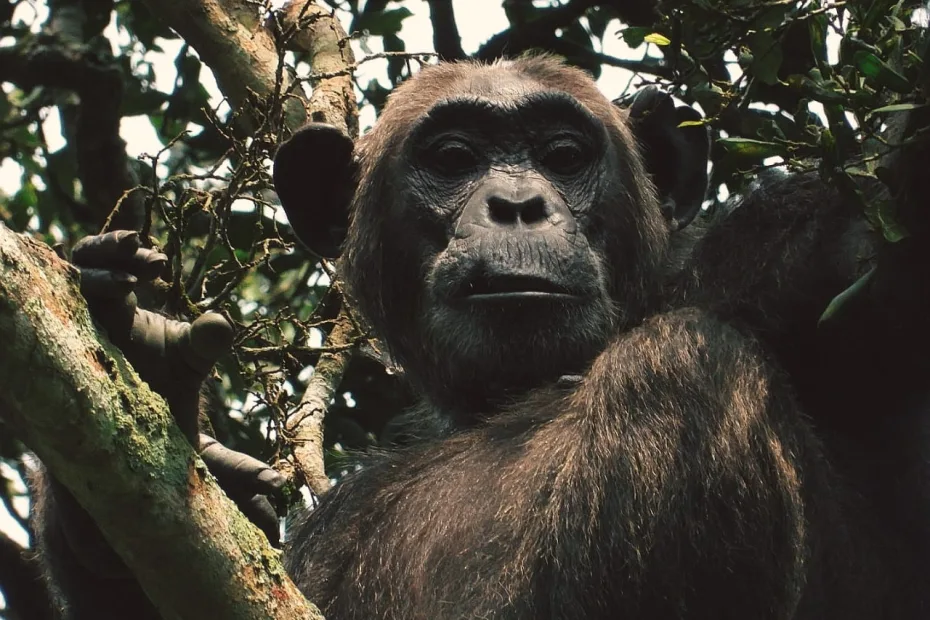
In addition to its avian wonders, Kibale National Park is renowned for its remarkable chimpanzee trekking experiences. The park hosts one of the largest populations of chimpanzees in Uganda, making it an ideal destination for primate lovers. Guided treks through the dense forests lead you to these incredible creatures, allowing you to witness their captivating behavior up close.

Chimpanzee tracking in Kibale is not only thrilling but also educational, as expert guides provide insights into the chimps’ social structure, habits, and conservation efforts. You may also encounter other primates, such as red-tailed monkeys and black-and-white colobus monkeys, further enhancing your wildlife adventure.

Exploring Kibale National Park

Aside from birding and chimpanzee trekking, Kibale National Park offers a myriad of other enchanting experiences. The park’s diverse ecosystems provide opportunities for nature walks, where you can encounter a wealth of flora and fauna. Explore the Crater Lakes or immerse yourself in the local culture by visiting nearby communities.

Accommodation options in and around Kibale National Park range from luxury lodges to budget-friendly campsites, ensuring you have a comfortable and immersive stay in the heart of nature.

Uganda Birding Tours and Beyond – Uganda Birding and Chimpanzee Trekking

For those looking to explore Uganda’s birding destinations, Kibale National Park is an absolute must-visit. It’s often included in Uganda birding tours, providing an exceptional opportunity to tick off numerous bird species from your checklist while enjoying the diverse landscapes the country has to offer.

Moreover, Kibale’s proximity to other iconic destinations like Queen Elizabeth National Park and Bwindi Impenetrable National Park makes it an integral part of Uganda’s wildlife and birding circuit. You can seamlessly combine your Kibale adventure with visits to these renowned parks for a complete Ugandan safari experience.

Kibale National Park in Uganda is a true gem for wildlife enthusiasts, birdwatchers, and adventure seekers. Its incredible birding opportunities, world-class chimpanzee trekking, and diverse landscapes make it a destination that stands out in the heart of Africa. Whether you’re captivated by the mesmerizing bird calls or longing to share a moment with our closest primate relatives, Kibale offers unforgettable experiences that will forever remain etched in your memory. So, plan your journey to Kibale National Park today and discover the untamed beauty of Uganda’s natural wonders. Your adventure awaits in the heart of this remarkable wilderness.


Rwenzori Mountains

Birding in Rwenzori Mountains


Rwenzori Mountains National Park in Uganda is a haven for Uganda Birding Safaris and hikers alike. With its remarkable avian diversity, captivating landscapes, and dedicated conservation efforts, it promises an unforgettable birding experience. Whether you’re a seasoned birder or a novice seeking to explore the avian wonders of Uganda, the Rwenzori Mountains should be at the top of your list for an adventure you’ll cherish forever. Don’t miss the chance to immerse yourself in the breathtaking world of birding in the Rwenzori Mountains.

Uganda is a birding enthusiast’s dream destination. With its diverse landscapes, lush forests, and vibrant avian population, it’s no surprise that the Rwenzori Mountains, one of Uganda’s most iconic national parks, stands as a top choice for birding adventures.

The Enchanting Rwenzori Mountains

The Rwenzori Mountains, also known as the “Mountains of the Moon,” offer a truly enchanting experience for hikers and birdwatchers alike. These towering peaks rise to over 5,000 meters, creating a unique habitat that is home to a plethora of bird species. Located in western Uganda, this UNESCO World Heritage site is characterized by its diverse ecosystems, including lush montane forests, bamboo thickets, and high-altitude moorland, all of which provide a perfect setting for birdwatching.

Birding in the Rwenzori Mountains: A Breathtaking Experience

  1. Rich Avian Diversity: The Rwenzori Mountains National Park boasts over 200 bird species, making it an ornithologist’s paradise. Among the most sought-after species are the Rwenzori turaco, handsome francolin, crimsonwing, and the Rwenzori batis. The melodious calls and vibrant plumage of these birds make birdwatching a mesmerizing experience.
  2. Expert Guided Tours: For an optimal birding adventure, consider joining one of the expert-led Uganda birding tours in the Rwenzori Mountains. Local guides are well-versed in the park’s avian residents and can help you spot and identify even the most elusive birds.
  3. Prime Birding Spots: Several birding hotspots within the national park stand out, such as the Bigo Bamboo Forest, Bujuku Valley, and Lake Mahoma. Each location offers unique opportunities to observe endemic and migratory birds, and the breathtaking scenery makes your birding expedition even more memorable.

Why Choose the Rwenzori Mountains for Birding?

  1. Biodiversity: The park’s elevation gradient allows for a diverse range of bird species, from lowland forest dwellers to high-altitude specialists. It’s possible to observe multiple species in one day as you ascend through various habitats.
  2. Stunning Scenery: Beyond the avian wonders, the Rwenzori Mountains offer dramatic landscapes that serve as a backdrop for your birding adventures. Jagged peaks, cascading waterfalls, and pristine lakes create a picturesque setting for your hikes.
  3. Conservation Efforts: The Rwenzori Mountains National Park is dedicated to preserving its unique ecosystem and the species that call it home. By visiting and supporting responsible tourism, you contribute to the conservation of these magnificent birds and their habitats.

Logistics and Planning Your Uganda Birding Trip

Before set off for  your Uganda birding journey to the Rwenzori Mountains, consider these practical tips:

  1. Best Time to Visit: The dry season, from December to February and June to August, is ideal for birding as it offers clear skies and more predictable weather.
  2. Accommodations: There are lodges and campsites within the national park, providing a comfortable and immersive experience for birdwatchers. It’s advisable to book in advance.
  3. Pack Accordingly: Be prepared with suitable clothing, hiking gear, and quality binoculars for an enjoyable birding expedition.


Lake Mburo National Park

Birding and Wildlife


Lake Mburo National Park is a true paradise for birding-watching safaris. Its remarkable avian diversity, stunning landscapes, and expert-guided tours make it a top destination for birdwatchers worldwide. Whether you’re an experienced birder or a beginner, a visit to Lake Mburo promises a memorable and enriching birding experience.

This pristine wilderness is not only a haven for some of Uganda’s most incredible wildlife but also a paradise for birdwatching. Let’s explore the incredible birding opportunities that Lake Mburo National Park offers, making it one of the top birding destinations in Uganda.

Birding in Uganda: A Remarkable Experience

Uganda is renowned for its exceptional birding opportunities, boasting over 1,000 species of birds. Whether you’re a seasoned birder or a novice, the diverse range of bird species and the spectacular landscapes make Uganda a top birding destination. One of the most captivating spots in Uganda for birdwatching is Lake Mburo National Park.

Lake Mburo National Park: A Birder’s Paradise

  1. Rich Avian Diversity: Lake Mburo National Park is home to an impressive array of bird species, making it an ideal destination for birdwatchers. With over 350 species of birds, including several rare and endemic ones, you’ll have the opportunity to spot a variety of feathered wonders.
  2. Spectacular Scenery: Birding in Lake Mburo National Park is a visual treat. The park’s rolling savannahs, lush wetlands, and acacia woodlands provide diverse habitats for both resident and migratory birds. The scenic beauty of the park adds to the overall birding experience.
  3. Unique Species: Lake Mburo National Park is famous for harbouring African Finfoot, Papyrus Gonolek, and White-winged Warbler. These are not only thrilling finds for avid birdwatchers but also provide excellent photographic opportunities.
  4. Expert Guided Tours: To maximize your birding experience, consider taking a guided birding tour in Lake Mburo National Park. Knowledgeable local guides can help you identify and locate the park’s avian treasures, ensuring a rewarding birding adventure.

Uganda Birding Tours: Exploring Lake Mburo National Park

When you engage in a Uganda birding tour, Lake Mburo National Park should undoubtedly be on your itinerary. Here’s what you can expect during your Uganda birding in Lake Mburo National park:

  1. Early Morning Excursions: The best time for birdwatching is in the early morning when the birds are most active. The park’s designated birding trails offer you the chance to witness a plethora of bird species in their natural habitat.
  2. Game Drives and Birding: While exploring the park on a game drive, keep your binoculars ready. You’ll often spot birds like the Crested Francolin, Coqui Francolin, and African Grey Hornbill while enjoying the larger wildlife sightings.
  3. Boat Safaris: Lake Mburo is one of the few places in Uganda where you can take a boat safari. This experience allows you to spot water-loving birds like the African Fish Eagle, White-backed Duck, and the majestic African Finfoot.
  4. Night Birding: For a unique adventure, try night birding in the park. Guided by the spotlight, you may encounter owls, nightjars, and other nocturnal species. Lake Mburo is home to the African Scops Owl and the African Wood Owl, both fascinating finds for nocturnal birders.

Birding Spots in Lake Mburo National Park

  1. Rwonyo Rest Camp: This area is an excellent spot to start your birding adventure. The acacia woodlands and nearby wetlands are teeming with birdlife. Expect to see the Blue-naped Mousebird, Lilac-breasted Roller, and Red-headed Lovebird.
  2. Lake Mburo: The lakeshore is home to numerous waterbirds, including the African Finfoot, Pied Kingfisher, and Great White Pelican. A boat safari on the lake will provide you with unrivalled opportunities to capture these birds in their element.
  3. Rubanga Forest: This forested area within the park is a unique ecosystem that offers sightings of forest birds like the Narina Trogon, Grey-cheeked Hornbill, and White-tailed Blue Flycatcher.


Murchison Falls National Park

Birding and Wildlife


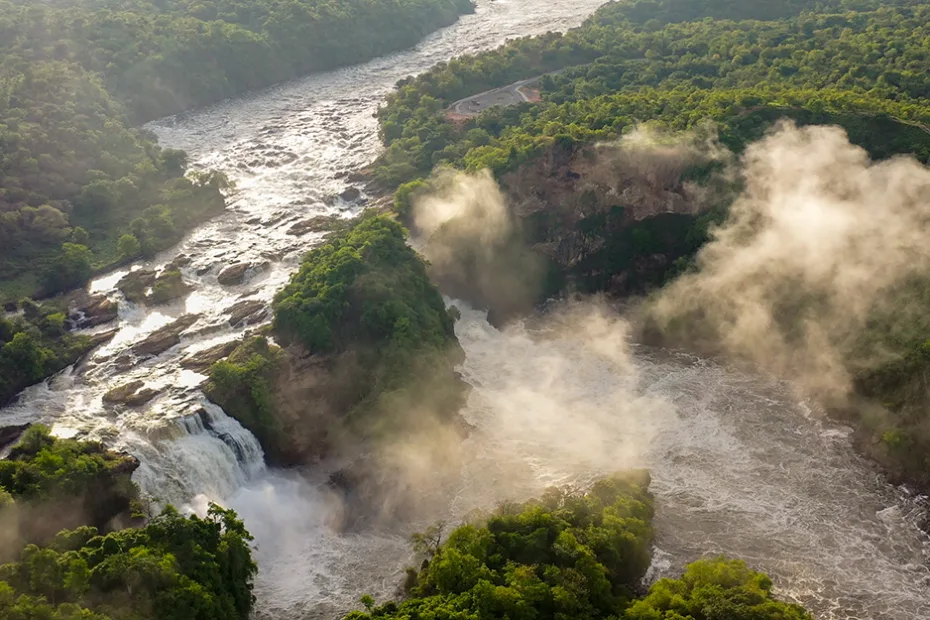
Nestled in the heart of Uganda, Murchison Falls National Park is a true gem for wildlife and birding enthusiasts. This pristine wilderness, covering approximately 3,840 square kilometres, offers a diverse range of ecosystems and an incredible array of bird species, making it one of the top birding destinations in Uganda. Whether you’re a seasoned birder or a casual nature lover, Murchison Falls National Park is a place you won’t want to miss. Let’s explore why this park is a haven for birdwatchers and why Uganda birding tours should be on your bucket list.

Discovering the Avian Wonders of Murchison Falls National Park

Murchison Falls National Park boasts a rich mosaic of habitats, including savannah grasslands, woodlands, riverine forests, and wetlands. This diversity provides a perfect haven for over 450 bird species that call the park home. Here are some of the avian highlights you can expect to encounter:

  1. African Fish Eagle: The iconic call of the African Fish Eagle echoes through the park as it soars above the Nile River, showcasing its impressive wingspan and distinctive plumage.
  2. Goliath Heron: Spotting the largest heron species in the world, the Goliath Heron, is an awe-inspiring experience. These majestic birds can be seen along the riverbanks, patiently waiting to catch their prey.
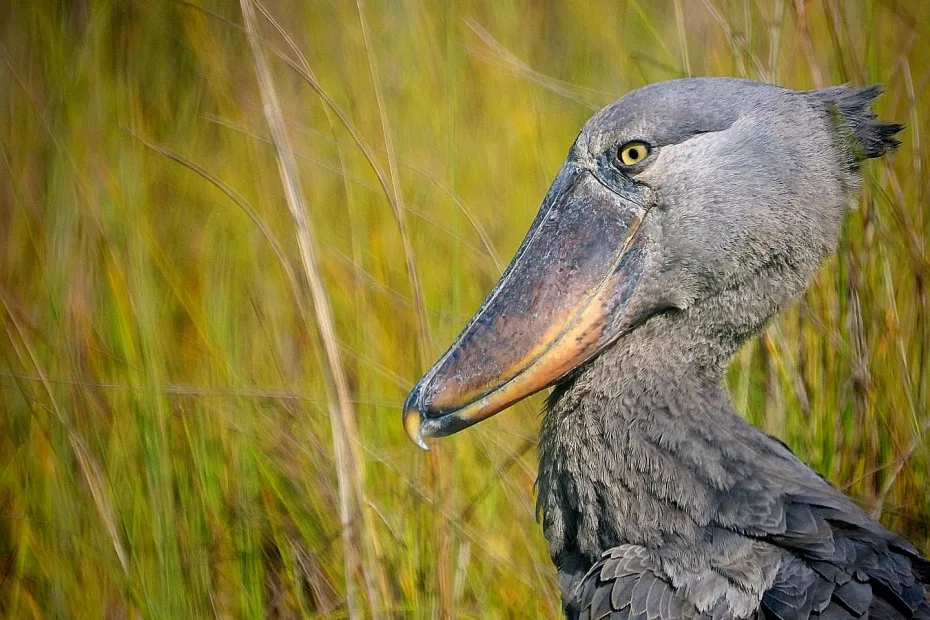
  3. Shoebill Stork: Murchison Falls National Park is one of the best places in Uganda to catch a glimpse of the elusive Shoebill Stork, known for its large shoe-shaped bill. The park’s wetlands provide the perfect habitat for these magnificent birds.
  4. Abyssinian Ground Hornbill: With their striking appearance and loud calls, Abyssinian Ground Hornbills are a fascinating species to observe as they patrol the savannah.
  5. Secretary Bird: These long-legged, snake-hunting birds are a common sight in the grasslands of the park. Their distinctive appearance and hunting style make them a favourite among birdwatchers.

Exploring Birding Spots in Murchison Falls National Park

  1. Paraa: This is the heart of the park and the ideal starting point for your birding adventure. The area around Paraa Lodge is known for its vibrant birdlife. Look out for Red-throated Bee-eaters, Gray-headed Kingfishers, and the African Green Pigeon.
  2. Nile River: A boat cruise along the Nile River provides excellent opportunities for birdwatching. Keep an eye out for the African Skimmer, African Finfoot, and the rare Shoebill Stork.
  3. Delta Area: The Nile Delta is a birding hotspot, offering wetland species such as the Saddle-billed Stork, Senegal Thick-knee, and Black-headed Lapwing.
  4. Budongo Forest: Adjacent to the park, the Budongo Forest is home to a different set of bird species, including the Chocolate-backed Kingfisher, White-thighed Hornbill, and the African Dwarf Kingfisher.

Why Choose Murchison Falls National Park for Birding in Uganda

Murchison Falls National Park stands out as a premier birding destination for several reasons:

  1. Diverse Habitats: The park’s varied ecosystems provide a unique opportunity to spot a wide range of bird species in one location, from open savannahs to lush riverine forests.
  2. Professional Guides: Joining a Uganda birding tour in Murchison Falls National Park ensures you have experienced guides who know the best birding spots and can help you identify the birds you encounter.
  3. Conservation Efforts: The park is dedicated to preserving its rich biodiversity, and your visit contributes to the protection of these incredible birds and their habitats.
  4. Scenic Beauty: In addition to birdwatching, the park offers stunning landscapes, including the breathtaking Murchison Falls, making it a truly memorable experience.

Planning Your Birding Adventure

Before embarking on your birding expedition in Murchison Falls National Park, here are some essential tips:

  • Best Time to Visit: The dry seasons from December to February and June to September are ideal for birding, as birds are more active, and vegetation is less dense.
  • Pack Smart: Don’t forget to bring your binoculars, a field guide, a birding journal, and appropriate clothing to protect against the elements.
  • Local Accommodation: Stay at lodges within or near the park for a truly immersive experience and early access to birding locations.
  • Respect the Environment: While birdwatching, practice ethical birding by not disturbing the wildlife and following park regulations.

Murchison Falls National Park is a birding paradise in Uganda that will leave you in awe of its avian wonders. With its diverse bird species, breathtaking landscapes, and dedicated conservation efforts, this park offers a unique birding experience you’ll cherish forever. So, if you’re searching for the best birding destinations in Uganda, look no further than Murchison Falls National Park. Plan your visit today and let the adventure begin!


Kidepo National Park

Birding , Wildlife and Photography


Kidepo is one of Uganda’s most spectacular parks. It harbors scenery unsurpassed in any other park in East Africa. Tucked into the corner of Uganda’s border with Sudan and Kenya, the park offers breathtaking savannah and mountain landscapes which end in a rugged horizon. A huge altitudinal range, correspondingly wide climatic conditions have evolved an extremely diverse flora. As a result the variety of animal species in the park is equally abundant including, many which are found nowhere else in Uganda.

Size: 1442 sq. km

Elevation: 900-1200m at the boarder with Sudan to 2750m at the top of Mt. Morungole.

Bird species Recorded: 480 species.
Habitat: Semi-desert scrub, open thorn scrub, open thorn bush, long and short-grass, open tree savanna, riparian woodland including Borassus and Kigelia woodland, thick “Miombo-like” woodland, montane forest and granite outcrops.

Birding in Kidepo Valley National Park
According to our records, Kidepo Valley is second only to Bwindi in bird diversity. Amongst the host of dry, eastern “specials” not found in any other Ugandan national parks are some of East Africa’s rarest and most sought after birds such as the Black-Breasted Barbet and the Karamoja Apalis.

Other species that are in KIdepo include; Golden Pipit, Ring-Necked Spurfowl, Taita Fiscal, Rufous Chatterer, Fox’s Cisticola, Yellow and Red Spotted Barbet, Fox’s Weaver, Lesser Kestrel, Pallid Harrier, Black-Winged Pranticole, White-Crested and Hartlaub’s Turaccos, Dusky-Turtle Dove, White-Bellied Go-Away-Bird, Abyssinian Scimitarbill, Jackson’s and African-Pied Hornbills, Yellow-Billed Shrike, Emin’s Shrike, Piapiac, Red-Winged Lark, Black-Rumped Waxbill.

Kidepo Valley National Park has 23 of Uganda’s 32 Somali-Masai biome species. There are also 21 Afro-tropical highland species (recorded mainly from highlands of Lonyili, Morungole, Zulia and Lomej with their characteristic mosaic of forest, savanna and thicket). Notable species are Little Rock Thrush and Brown Parisona, are in all other parks or IBAs. The site also has 16 Sudan and Guinea Savanna species, and 4 Guinea Congo forest Biome species.


Mabamba Bay Wetland

Home of Shoebill


When it comes to birding in Uganda, Mabamba Bay Wetland stands out as a true haven for avid birdwatchers and nature enthusiasts. Nestled in the heart of this beautiful East African country, Mabamba Bay Wetland offers a remarkable opportunity to witness a diverse array of avian species, including the iconic Shoebill stork. In this comprehensive guide, we will delve into the wonders of Mabamba Bay Wetland, highlighting its rich biodiversity and its role as one of the prime birding spots in Uganda.

Mabamba Bay Wetland: A Birdwatcher’s Paradise

Mabamba Bay Wetland is a wetland area located on the northern shores of Lake Victoria, just a short drive from Uganda’s capital city, Kampala. Covering an area of approximately 16,500 hectares, this wetland is renowned for its exceptional birdwatching opportunities. As you explore the maze of papyrus and waterways, you’ll be treated to a stunning display of over 300 bird species.

Uganda Birding Destinations

If you’re searching for the best birding destinations in Uganda, Mabamba Bay Wetland deserves a top spot on your list. Here are some of the reasons why:

  1. Shoebill Stork Encounters: Mabamba Bay Wetland is one of the best places in the world to see the elusive Shoebill stork, a bird with a massive, shoe-shaped bill. This prehistoric-looking bird is a must-see for bird enthusiasts and wildlife photographers.
  2. Diverse Avian Species: Beyond the Shoebill stork, Mabamba Bay Wetland is home to a remarkable variety of bird species, including African waterfowl, kingfishers, herons, and many more. The wetland’s unique habitat attracts both resident and migratory birds throughout the year.
  3. Scenic Beauty: The wetland’s serene and picturesque surroundings make it an ideal location for birdwatching. The tranquil waterways, lush vegetation, and expansive lake views create a magical ambiance for your birding adventures.

Birding in Uganda: Mabamba Bay Wetland’s Unique Ecosystem

Mabamba Bay Wetland boasts a unique ecosystem characterized by a labyrinth of papyrus reeds, open water channels, and floating vegetation. This diverse habitat provides shelter and sustenance for a wide range of bird species. The wetland is part of the larger Ramsar site, Lake Victoria Basin, recognizing its ecological importance.

The Shoebill Stork: Mabamba’s Crown Jewel

One of the most sought-after bird species at Mabamba Bay Wetland is the Shoebill stork. This large and enigmatic bird, with its enormous shoe-shaped bill, is a true icon of the wetland. Mabamba Bay Wetland offers an excellent chance to spot the Shoebill stork in its natural habitat, making it a dream come true for birders.

Uganda Birding Tours at Mabamba Bay Wetland

To make the most of your birding experience in Mabamba Bay Wetland, consider joining one of the many guided birding tours available in Uganda. These tours are led by experienced ornithologists and local guides who know the area intimately. They’ll take you to the best birding spots, ensuring you don’t miss any of the avian treasures that call Mabamba home.

Birding Spots in Uganda: Explore Mabamba Bay Wetland

Mabamba Bay Wetland is more than just a single birding spot; it’s a haven of interconnected habitats. As you explore the wetland, you’ll come across various birding hotspots, each offering a unique set of species and experiences:

  1. Mabamba Swamp: This is the heart of birding in Mabamba. The extensive papyrus swamps and open water channels here are where you’re most likely to spot the Shoebill stork and numerous other waterfowl.
  2. Makanga Hill: For a panoramic view of the wetland and its surroundings, Makanga Hill provides a fantastic vantage point. Here, you can observe raptors and other birds soaring overhead.
  3. Lwaji Island: A visit to this island lets you explore the interior of the wetland, offering a different perspective on its birdlife.
  4. Kasanje Village: The nearby village provides opportunities to witness traditional fishing methods and the interaction between local communities and the wetland’s rich biodiversity.

Mabamba Bay Wetland is a jewel in the crown of Uganda’s birding destinations. With its exceptional bird species, Shoebill stork sightings, and breathtaking natural beauty, it’s a must-visit for any bird enthusiast. Whether you’re an experienced birder or a novice nature lover, Mabamba Bay Wetland promises an unforgettable birdwatching experience. Start planning your birding adventure today and discover the avian wonders of Mabamba Bay Wetland.


Verified by MonsterInsights