Why Choose Bird Uganda Safaris
Our Commitment to the Community
Bird Uganda is dedicated to community empowerment through initiatives supporting youth and women birders.


Exceptional Bird WATCHING Experiences in KENYA
Kenya Birding and Wildlife Safaris
Kenya is one of Africa's premier birdwatching destinations, celebrated for its remarkable bird diversity and varied landscapes. Home to more than 1,100 recorded bird species, the country offers exceptional birding opportunities, from colorful sunbirds and bee-eaters to the iconic flocks of flamingos that gather on its Rift Valley lakes. Whether exploring forests, savannahs, wetlands, or highland habitats, Kenya provides unforgettable birding experiences for enthusiasts of all levels.
Kenya Birding Safaris
Safari Packages
Kenya is one of Africa's defining birding destinations, with over 1,100 recorded species spanning Rift Valley soda lakes, Guineo-Congolian rainforest, alpine moorland, and semi-arid thornbush inside a single, well-connected country. From the flamingo-lined shores of Lake Nakuru to the raptor-rich plains of the Maasai Mara and the endemic-packed forests of the Taita Hills, Kenya rewards both the dedicated life-lister and the traveller who wants birding woven into a classic Big Five safari.
Bird Uganda Safaris brings the same expert, locally guided approach we've used across Uganda, Tanzania, and Rwanda to our Kenya birding and wildlife safaris. Below you'll find a detailed guide to Kenya's top birding destinations, six tour packages spanning 8 to 23 days, and answers to the questions we're asked most often about planning a Kenya birding trip.
Kenya Birding & Wildlife Tour Packages
Kenya is home to more than 1,100 recorded bird species and some of the continent's most celebrated national parks and game reserves.
Our Kenya Birding & Wildlife Tour Packages are carefully designed to combine exceptional birdwatching with world-class wildlife viewing. Every safari is led by experienced guides who understand the country's diverse ecosystems and know where to find Kenya's most sought-after bird species while ensuring outstanding opportunities to encounter the Big Five and many other mammals.
Kenya Birding Destinations
Kenya is one of Africa's finest birdwatching destinations, offering an extraordinary diversity of habitats and more than 1,100 recorded bird species. From the alkaline lakes of the Great Rift Valley and the vast savannahs of the Maasai Mara to the mist-covered forests of Mount Kenya and the coastal mangroves of the Indian Ocean, Kenya provides exceptional birding opportunities throughout the year. Whether you are a dedicated life-lister, wildlife photographer, researcher, or a first-time birdwatcher, Kenya's rich avifauna and well-developed tourism infrastructure make it an ideal destination for unforgettable birding safaris.
Birding in Kenya is rewarding because of the country's incredible ecological diversity. Within a single trip, birders can explore wetlands, montane forests, acacia woodlands, alpine moorlands, freshwater lakes, coastal forests, and open grasslands, each supporting unique bird communities. Kenya is also situated along important migratory routes, attracting thousands of Palearctic migrants between October and April, making every season productive for birdwatching.
Maasai Mara National Reserve
Maasai Mara birding safari
Kenya's most famous reserve is far more than a Big Cat stage. The Mara's open grassland, riverine forest along the Mara and Talek rivers, and seasonal marshes hold an exceptional raptor community — Martial Eagle, Bateleur, Secretary Bird, and up to six vulture species — plus specials such as Rufous-bellied Heron, Schalow's Turaco, Ross's Turaco, and Rosy-breasted Longclaw.
Game drives double as birding drives, so sightings of lion, elephant, and (July to October) the wildebeest migration crossing the Mara River come alongside the birdlist rather than instead of it.
Lake Nakuru National Park
Lake Nakuru birding tour
A fenced sanctuary barely two hours from Nairobi, Lake Nakuru pairs a soda lake famous for its flamingo flocks with acacia woodland and rocky escarpment.
Depending on water levels, Greater and Lesser Flamingo, Great White Pelican, Yellow-billed Stork, and African Fish Eagle work the shoreline, while the woodland holds Grey-crested Helmetshrike, Northern Puffback, and Ring-necked Dove alongside good Black and White Rhino sightings. Its compact size makes it an efficient first or last stop on any Rift Valley itinerary.
Kakamega Forest
Kakamega Forest birding
Kenya's last remnant of Guineo-Congolian rainforest is a forest-birding specialist's target. Early-morning walks from Isecheno or Rondo produce Great Blue Turaco, Black-and-white Casqued Hornbill, Turner's Eremomela, Blue-headed Bee-eater, and Chapin's Flycatcher, with Red-tailed and Blue Monkeys moving through the canopy overhead. A nearby stop at Mumias Bridge on the Nzoia River is one of the most reliable sites anywhere for Rock Pratincole.
Samburu, Buffalo Springs & Shaba
Samburu birding safari
This trio of reserves straddling the Ewaso Nyiro River is Kenya's gateway to Somali-Masai biome specials found almost nowhere else on a birding itinerary: Vulturine Guineafowl, Golden-breasted Starling, Somali Ostrich, White-headed Mousebird, and Donaldson-Smith's Sparrow-Weaver. The dry riverine woodland and thornbush also hold strong game viewing — elephant, Grevy's Zebra, and reticulated giraffe — making Samburu an efficient way to add dry-country endemics without a dedicated northern-Kenya detour.
Amboseli National Park
Amboseli birding safari
Amboseli's swamps, fed by Kilimanjaro's underground run-off, sit in stark contrast to the surrounding dry plains and draw a dense concentration of waterbirds — African Spoonbill, Grey Heron, Great White Pelican — alongside the localised Taveta Golden Weaver and Fischer's Sparrow-Lark. Large elephant herds moving across the swamp edge with Kilimanjaro's snow-capped summit behind them make this one of the most photographed birding backdrops in Africa.
Tsavo East & Tsavo West National Parks
Tsavo birding tour
Together, Kenya's largest protected area, Tsavo East and West combine dry Commiphora bushland with the spring-fed oasis of Mzima Springs. Target species include Golden Pipit, Three-streaked Tchagra, Red-and-yellow Barbet, and Von der Decken's Hornbill, while the region's red volcanic soil famously dusts its elephant herds a distinctive rust colour. Tsavo pairs well with a short detour into the Taita Hills for near-endemic forest birds found nowhere else in Kenya.
Stories to Inspire
in their own words
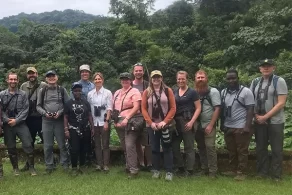
By Hannah
What it's like to bird in Uganda
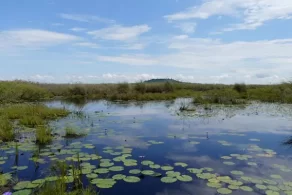
By Hannah and Erik
Shoebill in the Mabamba Swamps Uganda
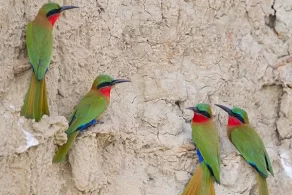
By Hugh Powell
7 things a Uganda safari taught me about birding
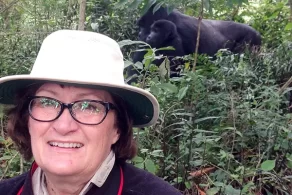
By Laura Erikson
Coming home from Uganda
Frequently Asked Questions — Kenya Birding & Wildlife Safaris
How many bird species can I see on a Kenya birding safari?
Kenya has recorded well over 1,100 bird species, one of the richest national lists in Africa. A focused two-week itinerary covering the Rift Valley lakes, a highland forest, and a savanna reserve typically produces 400 to 500 species, while our full comprehensive and luxury itineraries can push considerably higher.
What is the best time of year for a Kenya birding safari?
Kenya rewards birders year-round. The dry months (late June to October and January to February) give the easiest road access and the best game viewing, coinciding with the wildebeest migration in the Maasai Mara from roughly July to October. November to April adds large numbers of Palearctic migrants passing through or wintering in the Rift Valley lakes, which is prime time for waterbird diversity.
What are Kenya's endemic bird species?
Kenya holds a handful of true endemics found nowhere else on Earth, including Taita Apalis and Taita Thrush (both restricted to the tiny Taita Hills forest fragments), Williams's Lark, Sharpe's Longclaw, and Hinde's Babbler. Clarke's Weaver, though shared with a sliver of coastal Tanzania, is effectively a Kenya coastal special centred on Arabuko-Sokoke Forest.
Can I combine birding with Big Five game viewing in Kenya?
Yes — this is one of Kenya's strongest advantages over purely forest-based birding destinations. Reserves such as the Maasai Mara, Amboseli, and Tsavo let you bird productively from the same vehicle and route used for lion, elephant, leopard, buffalo, and rhino game drives, so you don't have to choose between the two.
How are Uganda birding safaris organized by Bird Uganda Safaris?
Most nationalities need an approved Kenya Electronic Travel Authorisation (eTA) before arrival, applied for online in advance. Requirements change periodically, so we recommend checking Kenya's official immigration portal close to your travel date; we confirm the current process for your nationality when you book.
Can I combine birding with gorilla trekking in Uganda?
A yellow fever certificate is required if you are arriving from (or have transited through) a country with risk of yellow fever transmission. Malaria prophylaxis is strongly recommended for all the lowland and Rift Valley sites on our itineraries. We advise consulting a travel health clinic 4 to 6 weeks before departure for personalised guidance.
How difficult is gorilla trekking in Uganda, and how long does it take?
Bring a good pair of 8x42 or 10x42 binoculars, a field guide or birding app, neutral-coloured layers for temperature swings between the highlands and lowlands, a warm layer for early mornings at altitude (Aberdare, Mount Kenya), a rain jacket, sunhat, sunscreen, and insect repellent for forest and lakeside sites.
What’s the best time for gorilla trekking in Uganda?
Most birding on our Kenya itineraries is done from a safari vehicle or on gentle, well-marked trails, and is accessible to most fitness levels. Forest sites such as Kakamega and the Taita Hills involve moderate walking on uneven ground; we can adjust pace and trail choice for travellers with mobility considerations.
How do I get a gorilla trekking permit in Uganda?
Many of our clients do. Kenya's savanna and Rift Valley lake birds pair naturally with Uganda's Albertine Rift forest endemics and gorilla trekking, or with Tanzania's Serengeti migration and Rwanda's Nyungwe Forest. We can build a combined multi-country itinerary around any of our six Kenya packages.
What wildlife can I see besides birds and gorillas in Uganda?
Cost depends on trip length, season, and lodge category, ranging from mid-range tented camps to premium lodges on our Ultimate Luxury itinerary. Contact us with your preferred dates and package and we'll provide a detailed, no-obligation quote.
When is the wildebeest migration in the Maasai Mara, and does it affect birding?
The migration typically reaches the Maasai Mara from around July through October, though exact timing shifts year to year with rainfall. It doesn't reduce birding quality — river crossings attract marabou storks, vultures, and other scavengers in large numbers — but it does mean earlier lodge bookings and busier river-crossing points.
Do I need to bring my own binoculars, or are they provided?
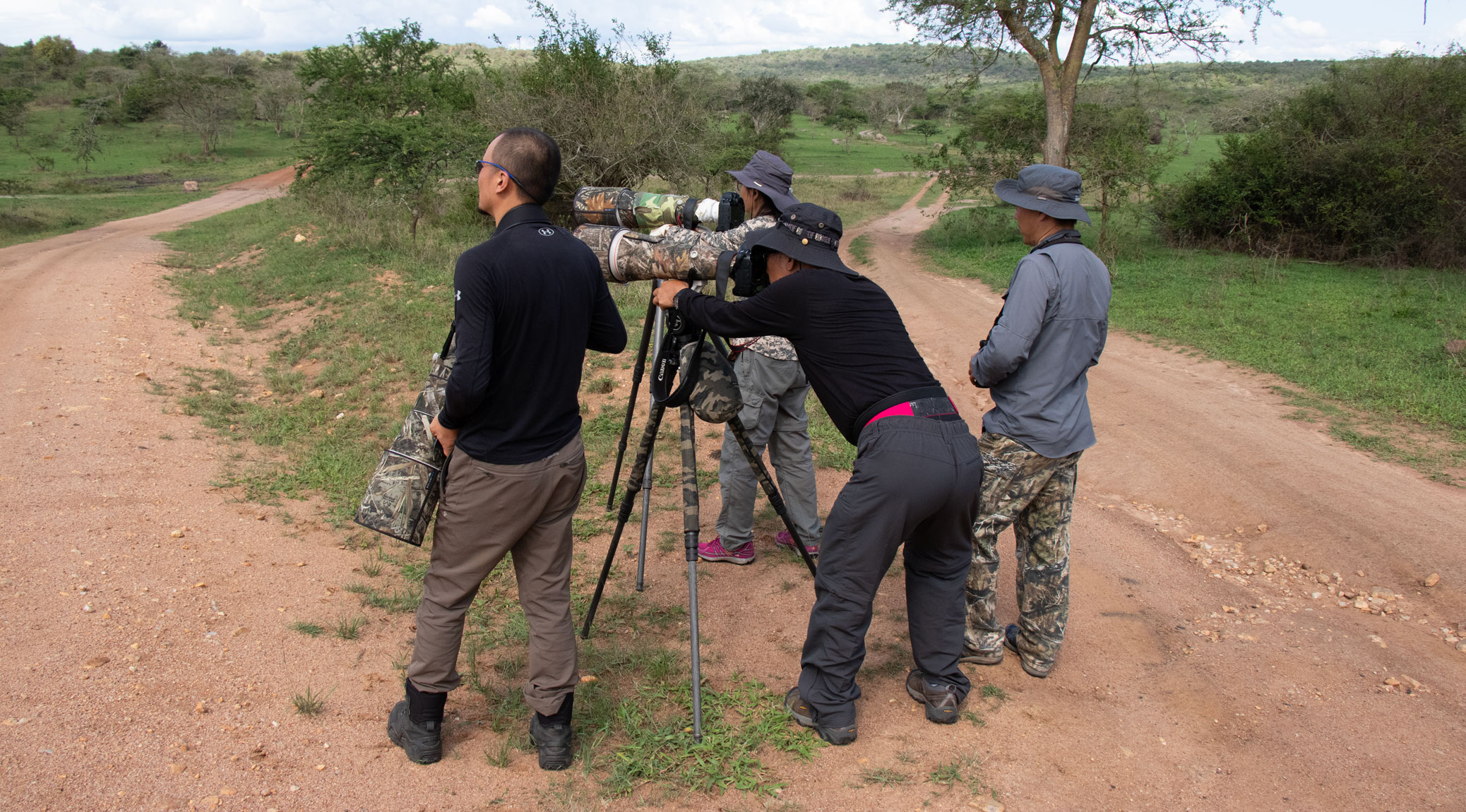
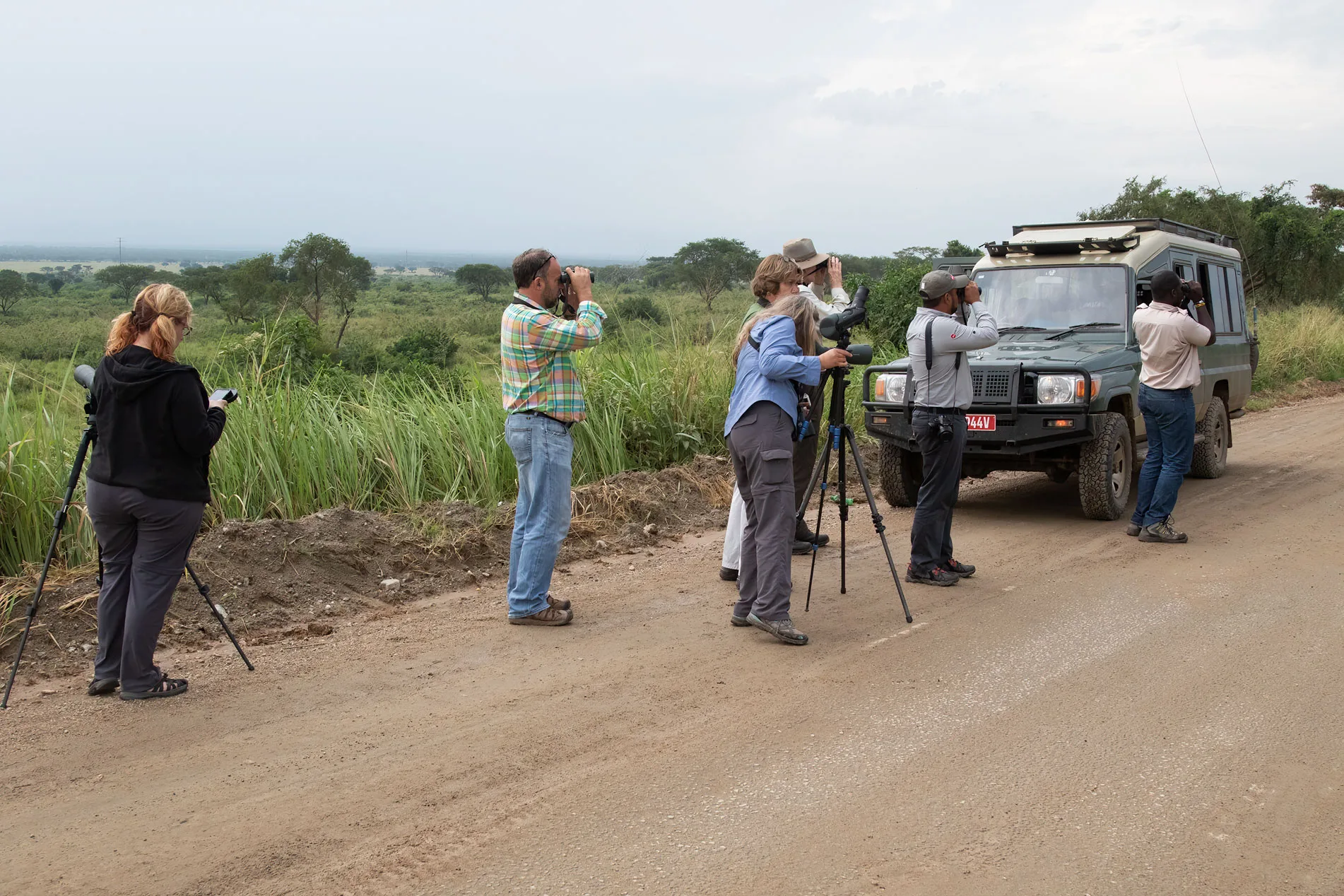
We strongly recommend travelling with your own binoculars fitted to your eyes and hands, as shared equipment slows down group birding. Our guides carry a spotting scope for distant waterbirds and raptors, which is shared across the group at key sites like the Rift Valley lakes.
Our Birding Experts are here for you
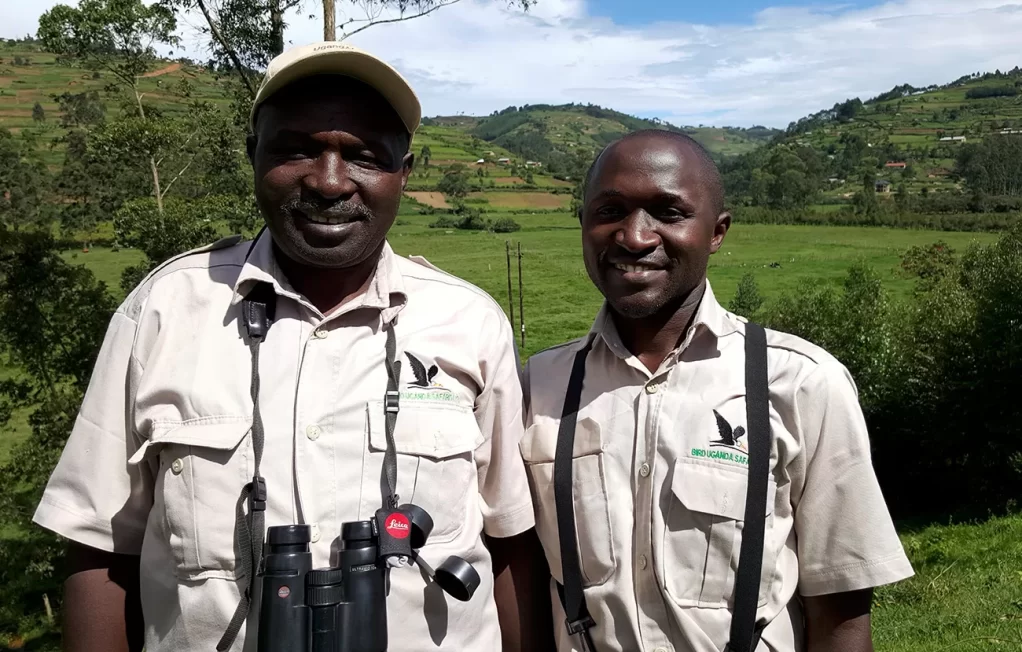
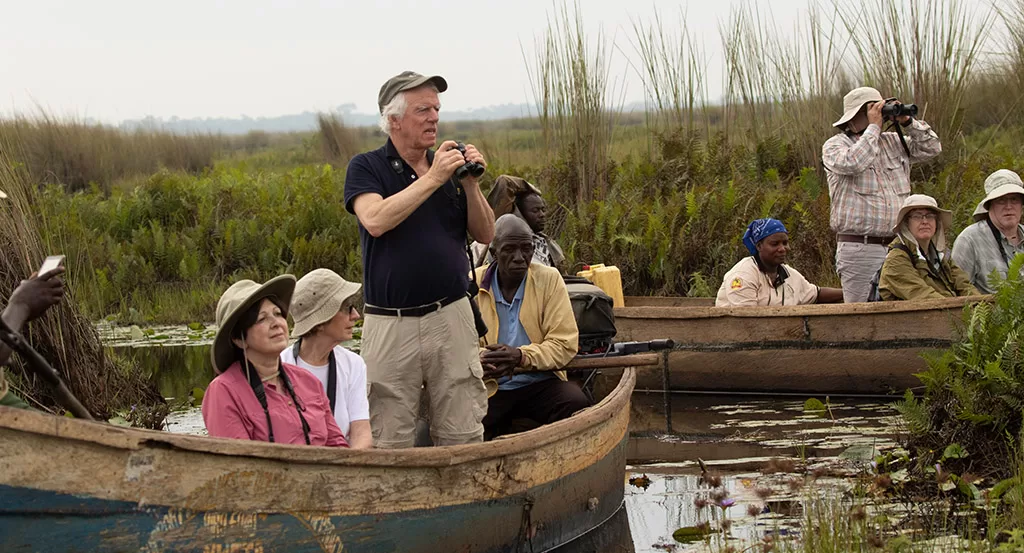
At Bird Uganda Safaris, birding is more than our profession—it's our passion and way of life. Our experienced local birding guides spend countless hours exploring Uganda's forests, wetlands, savannahs, and mountains, giving you unmatched knowledge of the country's incredible birdlife.
From the rare Shoebill and Green-breasted Pitta to the many Albertine Rift endemics and Coastal Sokoke Scopes Owl, our team knows where to find East Africa's most sought-after species and the best times to see them.
Our deep local expertise, strong conservation partnerships, and personalized service ensure every birding safari is authentic, rewarding, and unforgettable. With Bird Uganda Safaris, you're not just visiting Uganda—you're exploring it alongside experts who call it home.



Our Partners
WHO WE WORK WITH









FOLLOW US ON SOCIAL MEDIA