Why Choose Bird Uganda Safaris
Our Commitment to the Community
Bird Uganda is dedicated to community empowerment through initiatives supporting youth and women birders.


Tour Overview
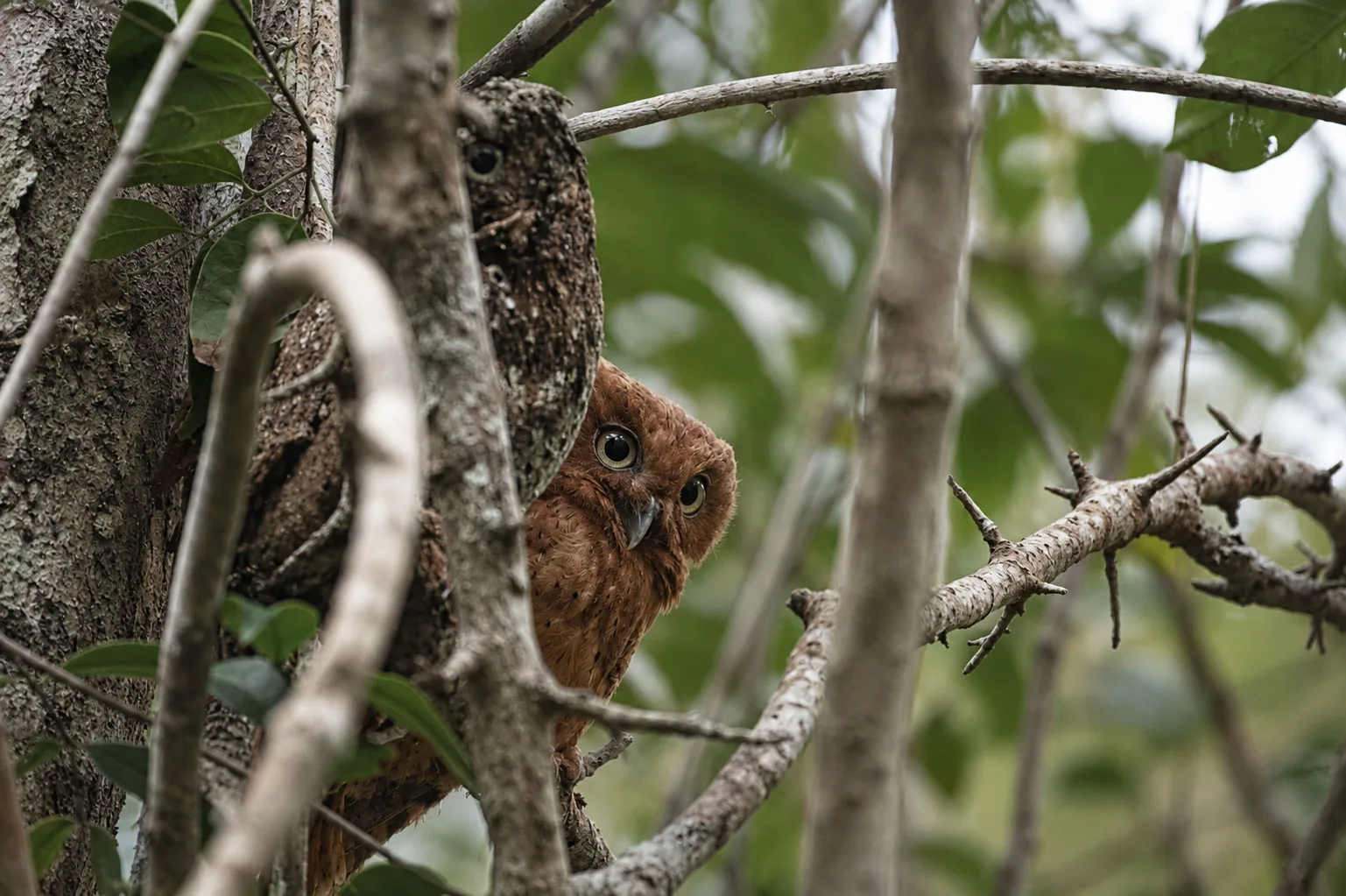
The Kenya Endemics Birding Tour is a special birding safari built around one clear goal: finding all of Kenya’s recognised endemic bird species. It is a medium-length, budget-friendly trip, and it is the first tour of its kind to focus purely on Kenya’s endemics. Guided throughout by the birding experts of Bird Uganda Safaris, this 12-day, 11-night journey is carefully planned so that every stop, route, and timing gives you the best possible chance of finding these special birds.
This tour does not visit the habitat of the Tana River Cisticola. This bird is currently listed as a Kenyan endemic, based on old museum specimens, but it is an uncertain species. No expedition since 1972 has seen, photographed, or recorded a live bird, so it remains almost unknown, and we do not build a search for it into this itinerary.
The tour also does not visit Mt. Kulal in search of the Kulal, or Mt. Kulal, White-eye. This bird is sometimes treated as a split from the Montane, or Heuglin’s, White-eye, but there is not yet full scientific agreement to treat it as its own species. Most taxonomy authorities still treat it as a race, and our own approach follows the taxonomy of Pearson and Turner (2017), the most authoritative and up-to-date study of East African white-eyes, based on the phylogenetic work of Cox (2013) and Cox et al. (2014), published in the Scopus Journal (issue 37.1). Reaching Mt. Kulal, the remote home of this bird, also requires its own dedicated expedition, separate from this tour.
Because this safari visits many endemic-bird areas and Important Bird Areas, it also delivers many other special birds and mammals along the way. You will have strong chances for several near-endemic species, including birds shared only with Tanzania, and others shared with both Tanzania and Uganda. A full list of these possible near-endemics is included below. Even so, the main focus of the tour remains finding Kenya’s true endemics, and most of your time in the field is spent seeking these species.
Tour Highlights
Kenyan Endemic Birds
Clarke’s (Kilifi) Weaver, Taita Thrush, Taita Apalis, Taita White-eye, Kikuyu White-eye, Snowy (Brown-and-White) Barbet, Aberdare Cisticola, Jackson’s Francolin, Hinde’s Babbler, Sharpe’s Longclaw, Williams’s Lark.
Near-Endemic Birds Shared Between Kenya and Tanzania
Sokoke Scops-Owl, Grey-crested Helmetshrike, Red-throated Tit, Northern Pied Babbler, Hildebrandt’s Starling, Abbott’s Starling, Kenrick’s Starling, Amani Sunbird, Tsavo Sunbird, Taveta Golden Weaver, Jackson’s Widowbird, Sokoke Pipit, Southern Grosbeak Canary, Sentinel Lark.
Near-Endemic Birds Shared Between Kenya, Tanzania and Uganda
Hartlaub’s Turaco, Lynes’s Cisticola, Hunter’s Cisticola, Black-lored Babbler, Kenya Rufous Sparrow.
Highlight Mammals and Other Wildlife
Leopard, African Lion, Cheetah, Savannah Elephant, White Rhino, Black Rhino, Cape Buffalo, Nile Crocodile.
Habitats Covered
Savannah, Highland Moist Forest, Alpine Moorland, Highland Grasslands, Coastal Lowland Forest, Inland Wetlands, Ocean Shores, Semi-arid Scrubland, Semi-Desert Lava.
Photographic Opportunities
Excellent.
Itinerary Details
Day-by-day
Day 1: Arrival in Nairobi and Afternoon Flight to the Coast
We begin the Kenya Endemics Birding Tour in Nairobi, Kenya's tourism capital. From here, we take a short domestic flight to the Kenyan coast.
Depending on your arrival time, and how tired you feel after the flights, you can choose to add an extra birding session in the afternoon. If you would rather rest, you can simply relax and enjoy the local birds from your hotel instead.
Overnight: Watamu
Day 2 and 3: Arabuko Sokoke Forest, Sabaki River Mouth and Mida Creek
Home to the endemic Clarke's (Kilifi) Weaver.
Note: the race of Forest, or Short-tailed, Batis found here (Batis mixta ultima) is sometimes called the Sokoke Batis.
Coastal lowland birding is best in the early morning, so we use both mornings for forest birding in Arabuko Sokoke Forest. We hope to find a wide range of bird species on these forest walks, along with plenty of local endemic sengis (elephant-shrews) and monkeys.
In the afternoons, we visit the marine wetlands for water birds. On one afternoon, we go to Mida Creek for shorebirds, terns, and gulls, depending on the tides, along with many other water birds. On the other afternoon, we visit the Sabaki River Mouth, a favourite spot for gulls and terns.
On one evening at Arabuko, we search for night birds, including owls and nightjars.
Overnight: Watamu — 2 nights
Day 4 and 5: Taita Hills
Home to the endemic Taita White-eye, Taita Thrush, and Taita Apalis.
We may take one more morning walk in Arabuko Sokoke Forest if we still need certain birds. We then drive to the Taita Hills, focusing mainly on the local endemics found only here. This is one of the true highlights of the Kenya Endemics Birding Tour, and along the way we also enjoy many other exciting birds of this special area.
Overnight: Taita — 2 nights
Day 6: Taita Hills to Nairobi
We use this morning for one last try at any species still missing from our Taita Hills list. After leaving Taita, we enjoy birding along the Nairobi–Mombasa Road, with lunch on the way.
Overnight: Nairobi
Day 7: Nairobi National Park
Home to the endemic Snowy (Brown-and-White) Barbet and Kikuyu White-eye.
Note: a little-known race of Long-billed Pipit found here has been proposed as its own species, the "Nairobi Pipit" (Anthus chyuluensis), described in the Ostrich Journal 84(2). More fieldwork has been suggested to confirm this fully.
We spend the whole day in Nairobi National Park, a site that has always delivered strong results on our tours. This is Kenya's oldest national park, just 7 kilometres from the edge of Nairobi city centre, and it is Kenya's top birding location in the capital, with over 500 species recorded here. The park is also home to four of the African Big Five — Black Rhino, African Lion, Leopard, and Cape Buffalo — along with many other animals you will enjoy on this tour.
Overnight: Nairobi
Day 8: Nairobi and Ngong Forest; to Lake Naivasha
Home to the endemic Snowy (Brown-and-White) Barbet and Kikuyu White-eye.
Note: the possible "Nairobi Pipit" race described above is also found in this area.
We use the morning to keep searching for endemics around Nairobi, birding the Ngong Forest area, where we hope to connect with many species. In the afternoon, we head to Lake Naivasha, with a possible short stop at a local wetland along the way to look for water birds.
Overnight: Naivasha
Day 9: Kinangop Grasslands and Aberdare National Park; to Mt. Kenya
Home to the endemic Kikuyu White-eye, Sharpe's Longclaw, Aberdare Cisticola, Hinde's Babbler, and Jackson's Francolin.
We start early and move into this highland region, home to some of Kenya's best endemic birds. The Kinangop area is rewarding on every trip, and our biggest target here is the Endangered Sharpe's Longclaw, a species whose population and habitat are shrinking quickly. We begin in the lower grasslands and gain elevation up into Aberdare National Park, also checking local wetlands for highland water birds. Later in the afternoon, we continue to Mt. Kenya, where we search for the rare Hinde's Babbler.
Overnight: Mt. Kenya
Day 10 and 11: Shaba National Reserve
Home to the endemic Williams's Lark.
On the first morning, we have another chance to search for endemics around Mt. Kenya. We then travel to Shaba National Reserve, one of the most interesting stops on the Kenya Endemics Birding Tour. Here we spend time searching for the Data Deficient Williams's Lark, while also enjoying local mammals such as Leopard, Beisa Oryx, Gerenuk, Grevy's Zebra, Reticulated Giraffe, Lion, and Elephant. Many more birds add to our growing list in this excellent dry-country birding area, home to many typical north-east African dryland species.
Overnight: Shaba — 2 nights
Day 12: Shaba National Reserve to Nairobi
We use this morning for one final search for any special birds still missing from our list. We then drive to Nairobi, where we connect with our evening flights home, marking the end of this exciting Kenya Endemics Birding Tour
FAQs
Frequently Asked Questions About this Tour
What is an endemic bird?
An endemic bird is one found naturally in only one country, or sometimes only in one small region within that country, and nowhere else on Earth.
How many endemic bird species does Kenya have?
Kenya currently has 11 recognised endemic birds: Clarke’s (Kilifi) Weaver, Taita Thrush, Taita Apalis, Taita White-eye, Kikuyu White-eye, Snowy (Brown-and-White) Barbet, Aberdare Cisticola, Jackson’s Francolin, Hinde’s Babbler, Sharpe’s Longclaw, and Williams’s Lark.
What is the difference between an endemic and a near-endemic bird?
An endemic is found only in Kenya. A near-endemic, sometimes called a regional speciality, is shared between Kenya and one or two neighbouring countries, usually Tanzania or Uganda.
Where can I see Kenya’s endemic birds?
Each species has its own stronghold: the Taita Hills for Taita Thrush, Taita Apalis, and Taita White-eye; the Kinangop Grasslands for Sharpe’s Longclaw; Nairobi National Park and the Aberdares for Kikuyu White-eye, Snowy Barbet, and Aberdare Cisticola; Mt. Kenya for Hinde’s Babbler; Shaba National Reserve for Williams’s Lark; and the Kenyan coast for Clarke’s (Kilifi) Weaver.
Which Kenyan endemic is hardest to find?
Hinde’s Babbler and Williams’s Lark are usually the most challenging, since both have small, localised populations and are listed as Data Deficient or poorly known.
Are any of Kenya’s endemic birds endangered?
Yes. Sharpe’s Longclaw is listed as Endangered, with its grassland habitat shrinking rapidly, making it one of the most urgent targets on any Kenya endemics tour.
Can I see all 11 endemics on one trip?
It’s possible, but it takes careful planning, since the species are spread across very different habitats and regions of the country. A dedicated, well-guided itinerary of 10 to 14 days is usually needed to have a realistic shot at all of them.
When is the best time for endemic birding in Kenya?
Kenya offers year-round birding, though many guides favour the drier months for easier access to remote sites and better visibility, with the added bonus of migrant birds passing through from around October to April.
Do I need a specialist guide?
Yes, strongly recommended. Many of these birds are quiet, localised, or easily confused with similar species, so local expertise makes a big difference in actually finding them.
Is endemic birding in Kenya suitable for beginners?
Yes, with the right guide. Beginners will still enjoy the trip, though a good guide is especially valuable for picking out calls and subtle field marks on the trickier species.

Chat with the expert
Our expert team is dedicated to crafting personalized safari experiences, drawing on years of firsthand knowledge to design a journey uniquely tailored to your interests and travel dreams
+256 (0) 777 912 938
Our Birding Experts are here for you
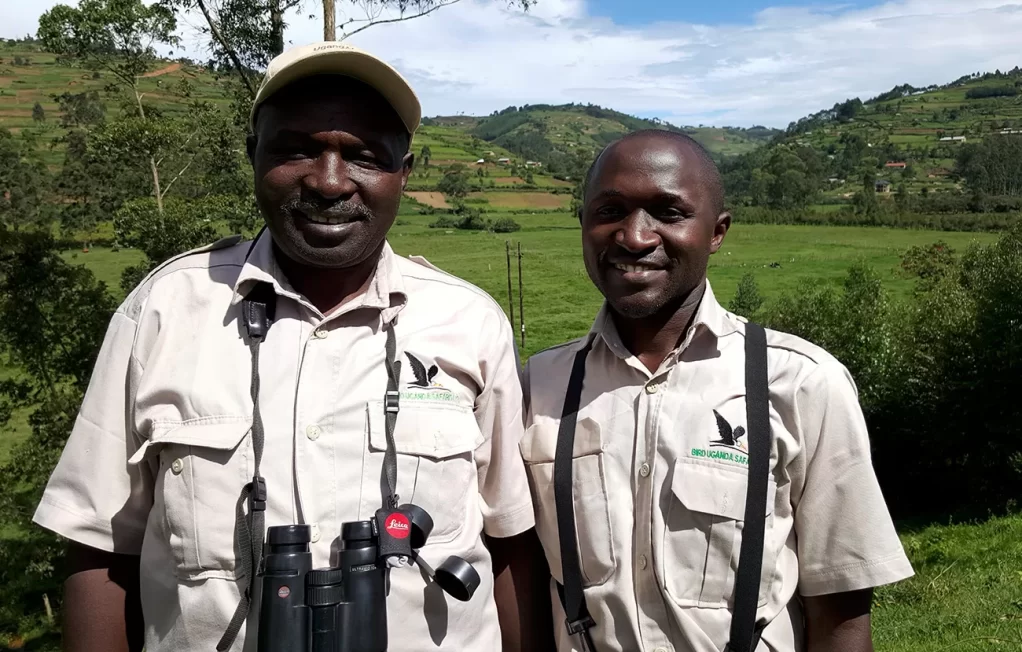
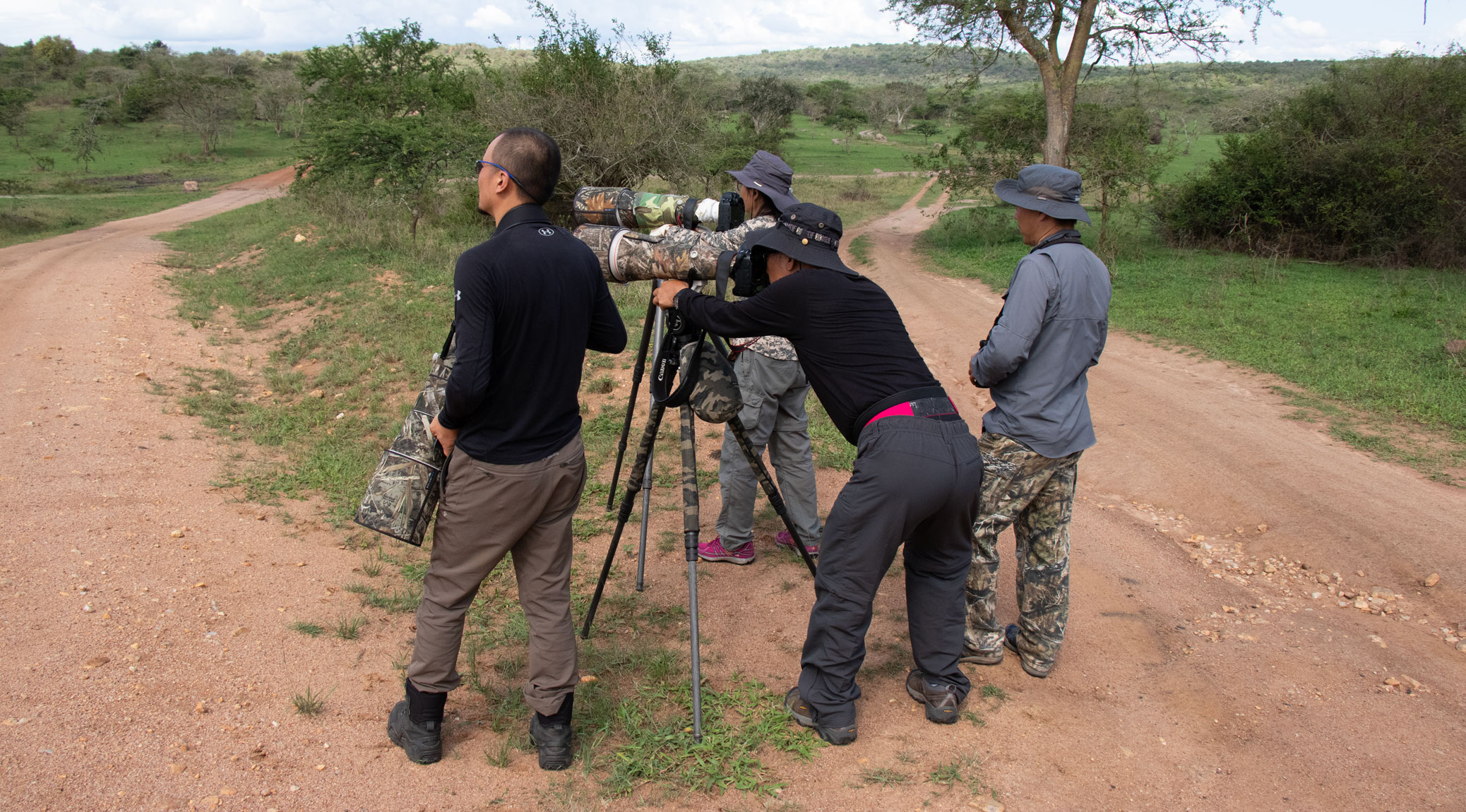
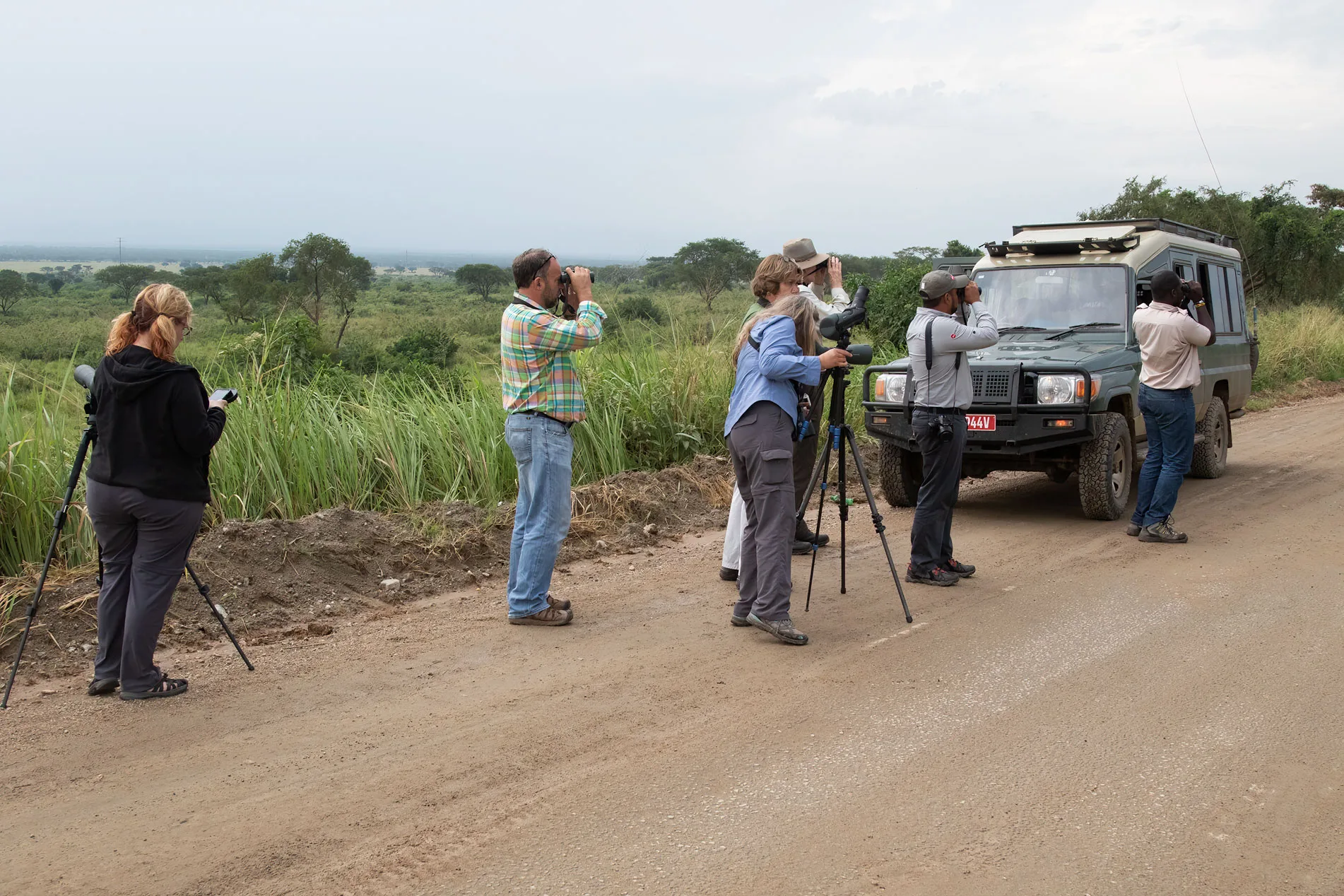
At Bird Uganda Safaris, birding is more than our profession—it's our passion and way of life. Our experienced local birding guides spend countless hours exploring Uganda's forests, wetlands, savannahs, and mountains, giving you unmatched knowledge of the country's incredible birdlife.
From the rare Shoebill and Green-breasted Pitta to the many Albertine Rift endemics and Coastal Sokoke Scopes Owl, our team knows where to find East Africa's most sought-after species and the best times to see them.
Our deep local expertise, strong conservation partnerships, and personalized service ensure every birding safari is authentic, rewarding, and unforgettable. With Bird Uganda Safaris, you're not just visiting Uganda—you're exploring it alongside experts who call it home.




Our Partners
WHO WE WORK WITH










FOLLOW US ON SOCIAL MEDIA