Why Choose Bird Uganda Safaris
Our Commitment to the Community
Bird Uganda is dedicated to community empowerment through initiatives supporting youth and women birders.


Tour Overview
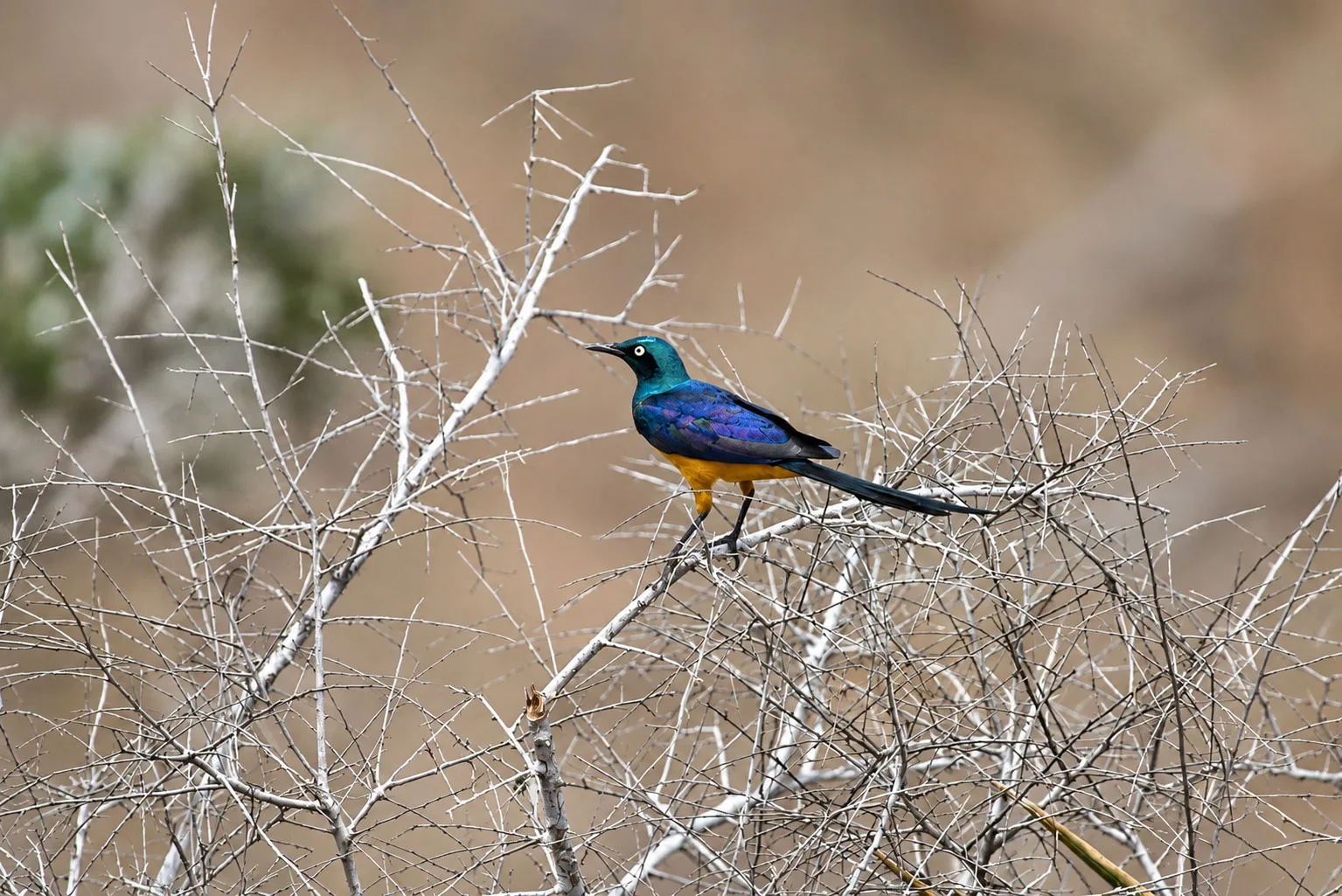
This expertly guided Kenya birding tour takes you through an amazing range of habitats. You start in Nairobi’s open grassland, move through the forests of Mount Kenya, cross into Samburu’s dry northern bushland, visit the lakes of the Rift Valley, explore Kakamega’s rare Guineo-Congolian rainforest, and finish at the papyrus wetlands of Lake Victoria.
This 16-day itinerary is built for serious birders, wildlife lovers, and photographers who want to find Kenya’s endemic, near-endemic, and highly localised birds. Major targets include Hinde’s Babbler, Abbott’s Starling, Somali Ostrich, Jackson’s Hornbill, Bristle-crowned Starling, Blue-headed Bee-eater, Turner’s Eremomela, Rock Pratincole, Papyrus Gonolek, Black-faced Sandgrouse, and Chestnut-bellied Sandgrouse.
One of our top Kenyan bird guides leads the safari throughout, supported by experienced local site guides at key locations, giving you the best chance of finding difficult species.
Tour Highlights
Day 1: Arrival at Jomo Kenyatta International Airport
When you land at Jomo Kenyatta International Airport, our representative meets you and transfers you to your hotel in Nairobi. Depending on your arrival time, you may have a chance to watch some of Nairobi’s common city birds around the hotel grounds. Possible early species include Hadada Ibis, Speckled Mousebird, Red-eyed Dove, African Pied Wagtail, Bronze Mannikin, Variable Sunbird, and Cape Robin-Chat.
Overnight: Nairobi hotel — Bed and Breakfast
Day 2: Nairobi National Park — Savannah and Forest Birding
Top Target Bird: Jackson’s Widowbird, especially when males display over the grassland in the breeding season.
After an early breakfast, we drive to Nairobi National Park for our first full day of Kenyan birding. Even though it sits close to the capital, the park protects a rich mix of open grassland, acacia woodland, rocky valleys, seasonal wetlands, dams, and riverine forest. We start with guided birding in the park’s woodland and forest areas, then move out onto the open plains.
The day may bring Hartlaub’s Bustard, Jackson’s Widowbird, White-winged Widowbird, Red-collared Widowbird, Pangani Longclaw, Rosy-throated Longclaw, Secretarybird, Kori Bustard, Martial Eagle, Hildebrandt’s Starling, and White-bellied Bustard. The park is also excellent for large mammals, including Lion, Leopard, Buffalo, Black Rhinoceros, Giraffe, Plains Zebra, Coke’s Hartebeest, and several antelope species.
Overnight: Nairobi hotel — Bed and Breakfast
Day 3: Nairobi to Thika and Wajee Bird Sanctuary
Top Target Bird: Hinde’s Babbler, a Kenyan endemic with a small, scattered range.
After breakfast, we travel north to Thika. We bird around the grounds and riverside vegetation near Blue Post, where the Chania and Thika Rivers meet. Possible birds include African Black Duck, Grey-olive Greenbul, African Paradise Flycatcher, Mountain Wagtail, Grey-backed Camaroptera, White-eyed Slaty Flycatcher, Black-backed Puffback, and several sunbirds.
Later, we continue to Wajee Bird Sanctuary, one of the best places to find Kenya’s endemic Hinde’s Babbler. We should arrive in time for some introductory birding around the sanctuary.
Overnight: Wajee Bandas — meal plan to be confirmed
Day 4: Full-Day Birding at Wajee Bird Sanctuary
Top Target Bird: Hinde’s Babbler.
We take morning and afternoon bird walks through Wajee’s thickets, riverside vegetation, farmland, and secondary woodland. Our main goal is a great view of Hinde’s Babbler, usually found in small, sociable groups within dense cover. Other possible birds include African Black-headed Oriole, Tropical Boubou, Red-faced Cisticola, Grey-capped Warbler, African Dusky Flycatcher, Black-throated Wattle-eye, Yellow-whiskered Greenbul, Yellow-rumped Tinkerbird, and Montane White-eye.
We use the quiet middle part of the day for lunch, rest, photography, or birding around the bandas.
Overnight: Wajee Bandas — meal plan to be confirmed
Day 5: Wajee to Naro Moru — Mount Kenya Foothills
Top Target Bird: Hartlaub’s Turaco, a striking East African highland speciality.
After morning birding at Wajee, we drive to Naro Moru on the western foothills of Mount Kenya. In the afternoon, we explore the gardens, riverine forest, and woodland around our lodge. This area regularly attracts a great mix of highland and forest birds, including Hartlaub’s Turaco, Crowned Hornbill, African Black Duck, Green Woodhoopoe, African Emerald Cuckoo, Grey Cuckooshrike, White-starred Robin, Mountain Yellow Warbler, Black-throated Apalis, Eastern Double-collared Sunbird, and Tacazze Sunbird.
Overnight: Naro Moru area — Bed and Breakfast
Day 6: Mount Kenya Forest Birding
Top Target Bird: Abbott’s Starling.
Today we explore the forested slopes of Mount Kenya. As elevation changes, so does the habitat, moving through montane forest, bamboo, forest edge, and high-altitude heathland. Our main target is the rare and nomadic Abbott’s Starling. Other possible birds include Olive Ibis, Eastern Bronze-naped Pigeon, Bar-tailed Trogon, Abyssinian Ground Thrush, White-headed Woodhoopoe, Mountain Greenbul, Grey Apalis, Chestnut-throated Apalis, White-browed Crombec, Black-fronted Bushshrike, Golden-winged Sunbird, and Abyssinian Crimsonwing.
Abbott’s Starling and Olive Ibis are never guaranteed, but patient searching in the right habitat gives us a real chance. After a rewarding day on the mountain, we return to Naro Moru.
Overnight: Naro Moru area — Bed and Breakfast
Day 7: Mount Kenya to Samburu National Reserve
Top Target Bird: Somali Ostrich.
After breakfast, we leave the cool Mount Kenya highlands and descend into the dramatic, semi-arid landscape of northern Kenya. This change in scenery brings a completely new set of dry-country birds. We enter Samburu National Reserve and bird our way towards the lodge near the Ewaso Nyiro River.
Early targets may include Somali Ostrich, Vulturine Guineafowl, Somali Bee-eater, Somali Fiscal, White-headed Mousebird, Eastern Yellow-billed Hornbill, Northern Red-billed Hornbill, Golden-breasted Starling, Donaldson-Smith’s Sparrow-Weaver, and Black-capped Social-Weaver. Samburu also holds special northern mammals, including Grevy’s Zebra, Reticulated Giraffe, Beisa Oryx, Gerenuk, and Guenther’s Dik-dik.
Overnight: Samburu lodge or camp — meal plan to be confirmed
Day 8: Full-Day Birding and Wildlife Viewing in Samburu
Top Target Bird: Vulturine Guineafowl, one of northern Kenya’s most spectacular birds.
We spend the whole day exploring Samburu’s acacia bushland, rocky hills, open plains, and riverine woodland. Early morning and late afternoon are the most productive times for both birds and large mammals. Along with the major northern specialities, we search for Vulturine Guineafowl, Buff-crested Bustard, Black-faced Sandgrouse, Chestnut-bellied Sandgrouse, Lichtenstein’s Sandgrouse, Rosy-patched Bushshrike, Pringle’s Puffback, Hunter’s Sunbird, Shining Sunbird, Northern Brownbul, White-bellied Go-away-bird, Bristle-crowned Starling, and White-billed Buffalo-Weaver.
Raptors may include Martial Eagle, Tawny Eagle, Bateleur, Eastern Chanting Goshawk, Pygmy Falcon, and various vultures. The day also gives excellent chances to photograph elephants and other animals along the Ewaso Nyiro River.
Overnight: Samburu lodge or camp — meal plan to be confirmed
Day 9: Samburu to Naro Moru
We take one final morning birding session in Samburu before starting our return journey towards Mount Kenya. This gives us another chance to find any northern specialities we may have missed over the past two days. Depending on time and conditions, we may stop for Somali Courser, White-headed Mousebird, Golden-breasted Starling, Somali Tit, Northern Grey Tit, Eastern Violet-backed Sunbird, and Abyssinian Scimitarbill. We arrive at Naro Moru later in the day, with possible evening birding around the lodge grounds.
Overnight: Naro Moru area — Bed and Breakfast
Day 10: Naro Moru to Thomson’s Falls and Lake Nakuru
Top Target Bird: Sharpe’s Longclaw in the highlands and the huge flamingo flocks at Lake Nakuru.
After breakfast, we drive towards Nyahururu, birding through highland grassland and farmland along the way. At good spots, we search for highland species such as Sharpe’s Longclaw, Jackson’s Widowbird, Wing-snapping Cisticola, Long-tailed Widowbird, and Augur Buzzard. We stop at Thomson’s Falls to enjoy the scenery and explore the nearby forest and grassland, where we may find Slender-billed Starling, Eastern Double-collared Sunbird, Mountain Wagtail, Cinnamon-chested Bee-eater, and Cape Robin-Chat.
We then continue to Lake Nakuru for lunch, followed by an afternoon birding and wildlife drive. Depending on water levels, the lake may host Greater and Lesser Flamingos, Great White Pelican, African Spoonbill, Pied Avocet, Black-winged Stilt, gulls, terns, and Palearctic waders. The park is also an important home for White Rhinoceros, Black Rhinoceros, Rothschild’s Giraffe, Buffalo, Lion, and Leopard.
Overnight: Lake Nakuru area — meal plan to be confirmed
Day 11: Lake Nakuru to Lake Baringo
Top Target Bird: Jackson’s Hornbill, a highly localised East African speciality.
After morning birding around Lake Nakuru, we travel north through the Great Rift Valley to Lake Baringo. As the landscape turns drier, the birds change from highland and wetland species to northern acacia and rocky-country specialities. We arrive around lunchtime and spend the afternoon birding around the lodge grounds and nearby lakeside habitat.
The mature trees, dry scrub, cliffs, and shoreline may produce Jackson’s Hornbill, Hemprich’s Hornbill, Bristle-crowned Starling, Beautiful Sunbird, White-billed Buffalo-Weaver, Northern Masked Weaver, Little Weaver, Spotted Morning-Thrush, and Brown-tailed Rock Chat.
Overnight: Robert’s Camp or a similar Lake Baringo property — meal plan to be confirmed
Day 12: Full-Day Birding at Lake Baringo
Top Target Bird: Bristle-crowned Starling.
Today, with help from an experienced local bird guide, we explore the varied habitats around Lake Baringo. Depending on water levels and access, this may include birding walks, visits to rocky escarpments, and a boat trip. Target birds include Bristle-crowned Starling, Jackson’s Hornbill, Hemprich’s Hornbill, Northern White-faced Owl, Greyish Eagle-Owl, African Scops-Owl, Pearl-spotted Owlet, Slender-tailed Nightjar, Heuglin’s Courser, Three-banded Courser, Brown-tailed Rock Chat, Mouse-coloured Penduline Tit, Somali Tit, Parrot-billed Sparrow, Northern Masked Weaver, and Gambaga Flycatcher.
The cliffs may also hold Verreaux’s Eagle and Fan-tailed Raven, while the lakeshore supports many kingfishers, herons, waders, and waterfowl. We may also arrange an optional evening trip to search for owls, coursers, and nightjars.
Overnight: Robert’s Camp or similar — meal plan to be confirmed
Day 13: Lake Baringo to Kakamega Forest
Top Target Bird: Blue-headed Bee-eater.
After an early breakfast and one last session of birding at Lake Baringo, we travel west to Kakamega Forest, moving from the dry Rift Valley into the greener landscape of western Kenya. Kakamega is Kenya’s only large remaining tract of Guineo-Congolian rainforest and the easternmost outlier of the Congo Basin forest system. Its West and Central African character makes it unlike anywhere else you will bird in Kenya. UNESCO describes Kakamega as a mid-altitude rainforest holding many species found nowhere else in the country.
We arrive in the late afternoon or evening for dinner and our first taste of the forest’s sounds.
Overnight: Isecheno area, Kakamega Forest — meal plan to be confirmed
Day 14: Full-Day Birding in Kakamega Forest
Top Target Bird: Turner’s Eremomela, a rare and localised forest canopy species.
With one of Kakamega’s most experienced local bird guides, we take morning and afternoon forest walks. Careful listening and patient watching matter here, since many of the forest’s special birds stay in dense cover or high in the canopy. Our main targets include Blue-headed Bee-eater, Turner’s Eremomela, Chapin’s Flycatcher, Grey Parrot, Great Blue Turaco, Black-billed Turaco, Yellow-bellied Wattle-eye, Jameson’s Wattle-eye, Equatorial Akalat, Red-tailed Ant-Thrush, White-tailed Ant-Thrush, Brown-eared Woodpecker, Ansorge’s Greenbul, Toro Olive Greenbul, Kakamega Greenbul, Southern Hyliota, and Black-faced Rufous Warbler.
Kakamega matters because many of these birds are either absent from the rest of Kenya or have very small national ranges.
Overnight: Isecheno area, Kakamega Forest — meal plan to be confirmed
Day 15: Kakamega – Mumias Bridge – Lake Victoria and Kisumu
Top Target Bird: Rock Pratincole at Mumias and Papyrus Gonolek at Lake Victoria.
We leave Kakamega and make a planned detour to the Mumias area. Here, we search the rocky sections of the river for Rock Pratincole, one of Kenya’s most localised and sought-after birds. Afterwards, we continue to Kisumu on the shores of Lake Victoria.
Birding along the lake’s papyrus-fringed wetlands may bring Papyrus Gonolek, Papyrus Canary, Papyrus Yellow Warbler, Greater Swamp-Warbler, White-winged Swamp-Warbler, Carruthers’s Cisticola, Swamp Flycatcher, Slender-billed Weaver, Northern Brown-throated Weaver, Blue-headed Coucal, Black-headed Gonolek, and the beautiful Red-chested Sunbird. Weather and water conditions allowing, we may also arrange a late-afternoon boat trip, giving us the chance to see waterbirds, African Fish-Eagles, and papyrus specialists from the water.
Overnight: Kisumu lodge or hotel — meal plan to be confirmed
Day 16: Kisumu to Nairobi and Departure
After an early breakfast, we begin the drive back to Nairobi. Depending on your international flight time, we may make a few roadside birding stops along the way. On arrival in Nairobi, you transfer to Jomo Kenyatta International Airport for your onward flight, closing out an outstanding Kenyan birding and wildlife adventure.
Itinerary Details
Day-by-day
FAQs
Frequently Asked Questions About this Tour
Which bird is the top target of this tour?
There isn’t just one. The tour is built around several major targets, including Hinde’s Babbler at Wajee, Abbott’s Starling on Mount Kenya, Somali Ostrich and Vulturine Guineafowl in Samburu, Jackson’s Hornbill and Bristle-crowned Starling at Lake Baringo, Blue-headed Bee-eater and Turner’s Eremomela in Kakamega Forest, and Rock Pratincole near Mumias.
Can every target bird be guaranteed?
No. Bird sightings depend on season, weather, habitat conditions, and natural bird movement, so no single species can ever be fully guaranteed. That said, the itinerary is built around each species’ most reliable known site and season, giving you the best realistic chance.
How long is the tour, and how much ground does it cover?
This is a 16-day, 15-night tour that travels from Nairobi through the Central Highlands, Mount Kenya, Samburu, the Rift Valley lakes, Kakamega Forest, and Lake Victoria, covering an unusually wide range of Kenyan habitats in one trip.
Who guides the tour?
One of our top Kenyan bird guides leads the safari from start to finish, supported by experienced local site guides at key locations such as Wajee, Lake Baringo, and Kakamega Forest, where specialised local knowledge gives the best chance of finding difficult species.
What kind of accommodation should I expect?
The tour uses a mix of hotels, lodges, and bandas (simple forest cabins), generally on a bed and breakfast basis, with some meal plans to be confirmed closer to your travel dates. Property names in this itinerary are a guide, since availability and operating status can change.
Will we see mammals as well as birds?
Yes. Alongside the birding, you have strong chances for Lion, Leopard, Elephant, Black and White Rhinoceros, Grevy’s Zebra, Reticulated Giraffe, Gerenuk, Beisa Oryx, and many other mammals, particularly in Nairobi National Park, Samburu, and Lake Nakuru National Park.
Is this tour suitable for photographers?
Yes. The tour offers excellent chances for bird, wildlife, and landscape photography, from flamingo flocks at Lake Nakuru to elephants along the Ewaso Nyiro River and forest specialities in Kakamega.
How physically demanding is the tour?
Most birding is done on foot along gentle trails, forest paths, and lodge grounds, or from the vehicle during game drives. A reasonable level of fitness for early starts and full days in the field is recommended, especially for the forest walks at Wajee and Kakamega.
What is the best time of year for this tour?
Kenya offers birding year-round, and this itinerary can run in most seasons, though water levels at Lake Baringo and Lake Nakuru, and the presence of Palearctic migrants, can affect what you see. Speak with us to find the best dates for your travel plans.
Why does Kakamega Forest matter so much on this tour?
Kakamega is Kenya’s only significant tract of Guineo-Congolian rainforest, the easternmost outlier of the Congo Basin forest system. Many of its birds, including Blue-headed Bee-eater and Turner’s Eremomela, are found nowhere else in Kenya, making it one of the most important stops on the entire trip.
Chat with the expert
Our expert team is dedicated to crafting personalized safari experiences, drawing on years of firsthand knowledge to design a journey uniquely tailored to your interests and travel dreams
+256 (0) 777 912 938
Our Birding Experts are here for you
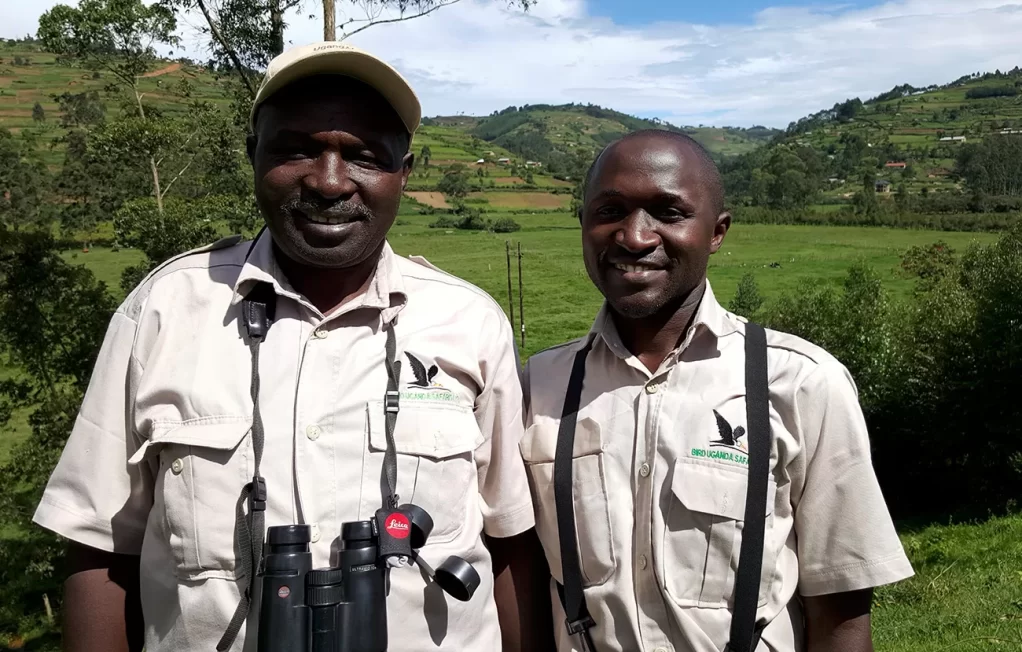
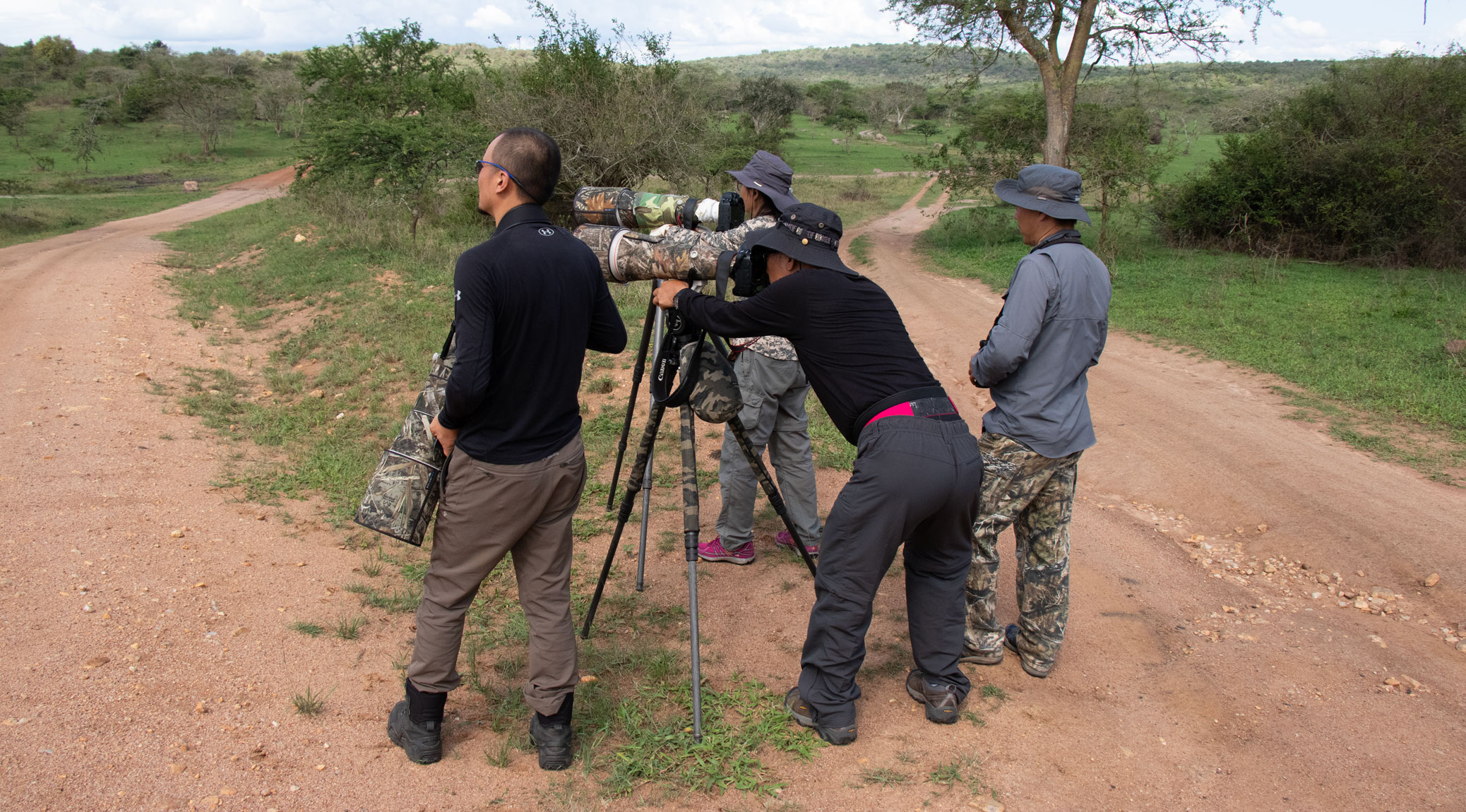
At Bird Uganda Safaris, birding is more than our profession—it's our passion and way of life. Our experienced local birding guides spend countless hours exploring Uganda's forests, wetlands, savannahs, and mountains, giving you unmatched knowledge of the country's incredible birdlife.
From the rare Shoebill and Green-breasted Pitta to the many Albertine Rift endemics and Coastal Sokoke Scopes Owl, our team knows where to find East Africa's most sought-after species and the best times to see them.
Our deep local expertise, strong conservation partnerships, and personalized service ensure every birding safari is authentic, rewarding, and unforgettable. With Bird Uganda Safaris, you're not just visiting Uganda—you're exploring it alongside experts who call it home.



Our Partners
WHO WE WORK WITH










FOLLOW US ON SOCIAL MEDIA