
The Ultimate Guide to Chimpanzee Habituation in Africa 2026
Chimpanzee habituation is one of the most immersive and rewarding wildlife experiences in Africa. Unlike standard chimpanzee trekking, this experience allows you to spend extended time in the forest with chimpanzees that are still getting used to human presence.
It is raw, real, and deeply engaging. You follow researchers and trackers into the forest, observe chimpanzee behavior for hours, and witness how these intelligent primates interact, communicate, and live in the wild.
This guide explains everything you need to know in a simple, detailed, and well-organized way.
What is Chimpanzee Habituation?
Chimpanzee habituation is the process of gradually introducing wild chimpanzees to human presence without altering their natural behavior. During this experience, visitors join researchers and trackers as they spend extended time with a chimpanzee community that is still undergoing habituation.
Unlike normal chimp trekking (which allows only one hour), habituation experiences can last up to 4 hours or even a full day depending on the location.
This experience mainly takes place in:
- Uganda
Key destinations include:
- Kibale National Park
- Budongo Forest
These forests are rich in biodiversity and are among the best places in Africa to see wild chimpanzees.
What Makes Chimpanzee Habituation Special?
Chimpanzee habituation is not just about seeing animals—it is about understanding them.
Chimpanzees are highly intelligent and share about 98.7% of human DNA. They live in complex social groups, use tools, communicate through sounds and gestures, and show emotions like excitement, fear, and curiosity.
During habituation, you may witness:
- Chimpanzees feeding on fruits
- Grooming and social bonding
- Hunting behavior
- Playful interactions among young chimps
- Loud vocal calls echoing through the forest
Because you spend more time with them, the experience feels more natural and less rushed than regular trekking.
The Science Behind Habituation
Habituation is a careful, slow process that can take several years. Researchers and conservationists visit chimpanzee groups daily, allowing the animals to gradually become comfortable with human presence.
This work is important because it:
- Supports scientific research
- Helps monitor chimpanzee health
- Promotes conservation through tourism
- Reduces fear and stress in chimpanzees over time
The experience gives you a behind-the-scenes look at real conservation work.
Where to Go for Chimpanzee Habituation
Kibale National Park
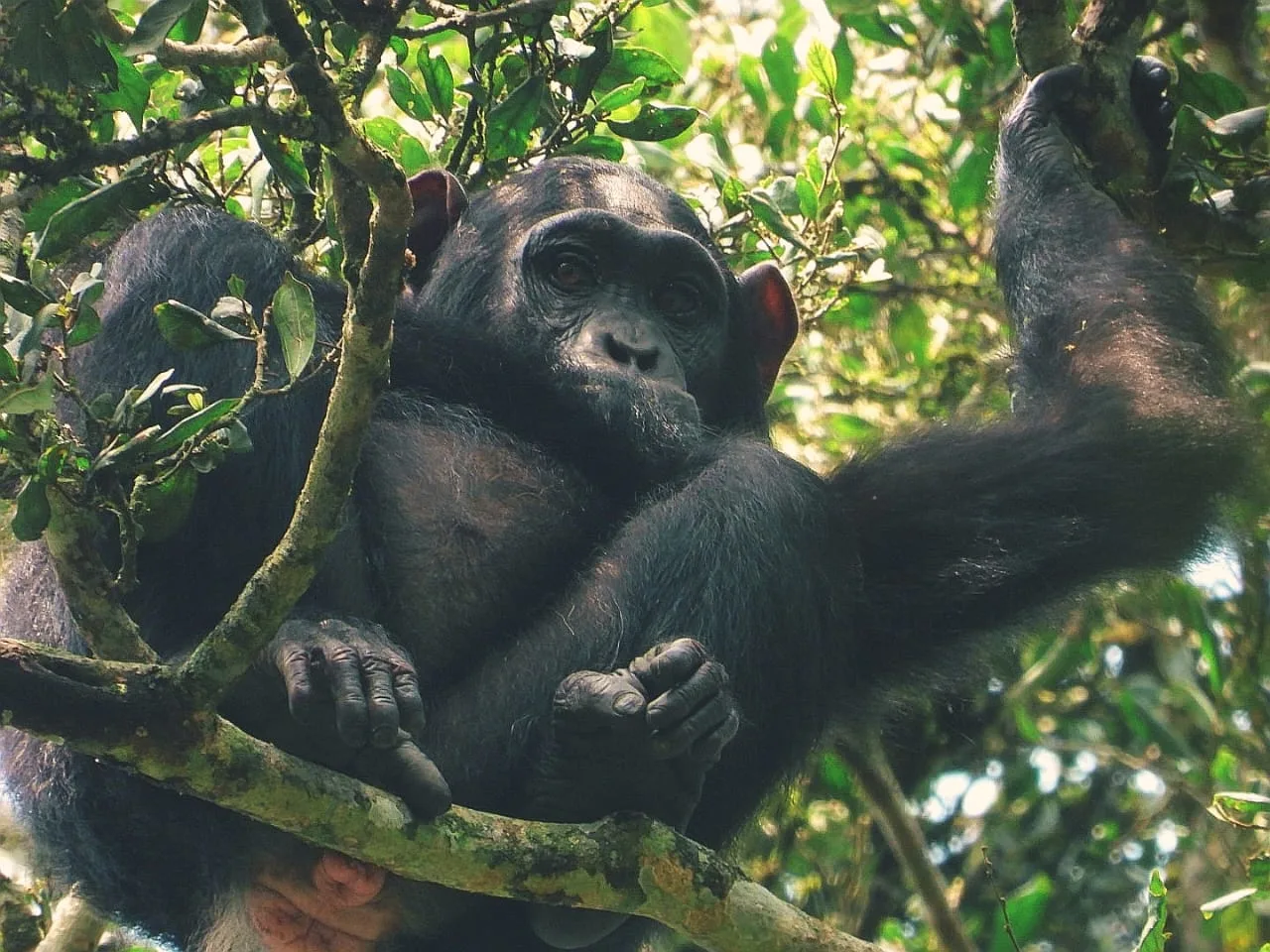
Kibale is known as the primate capital of the world. It has the highest concentration of chimpanzees in East Africa.
The forest is dense, green, and full of life. Chimpanzee habituation here is well organized and offers one of the best chances of seeing chimps up close.
Budongo Forest
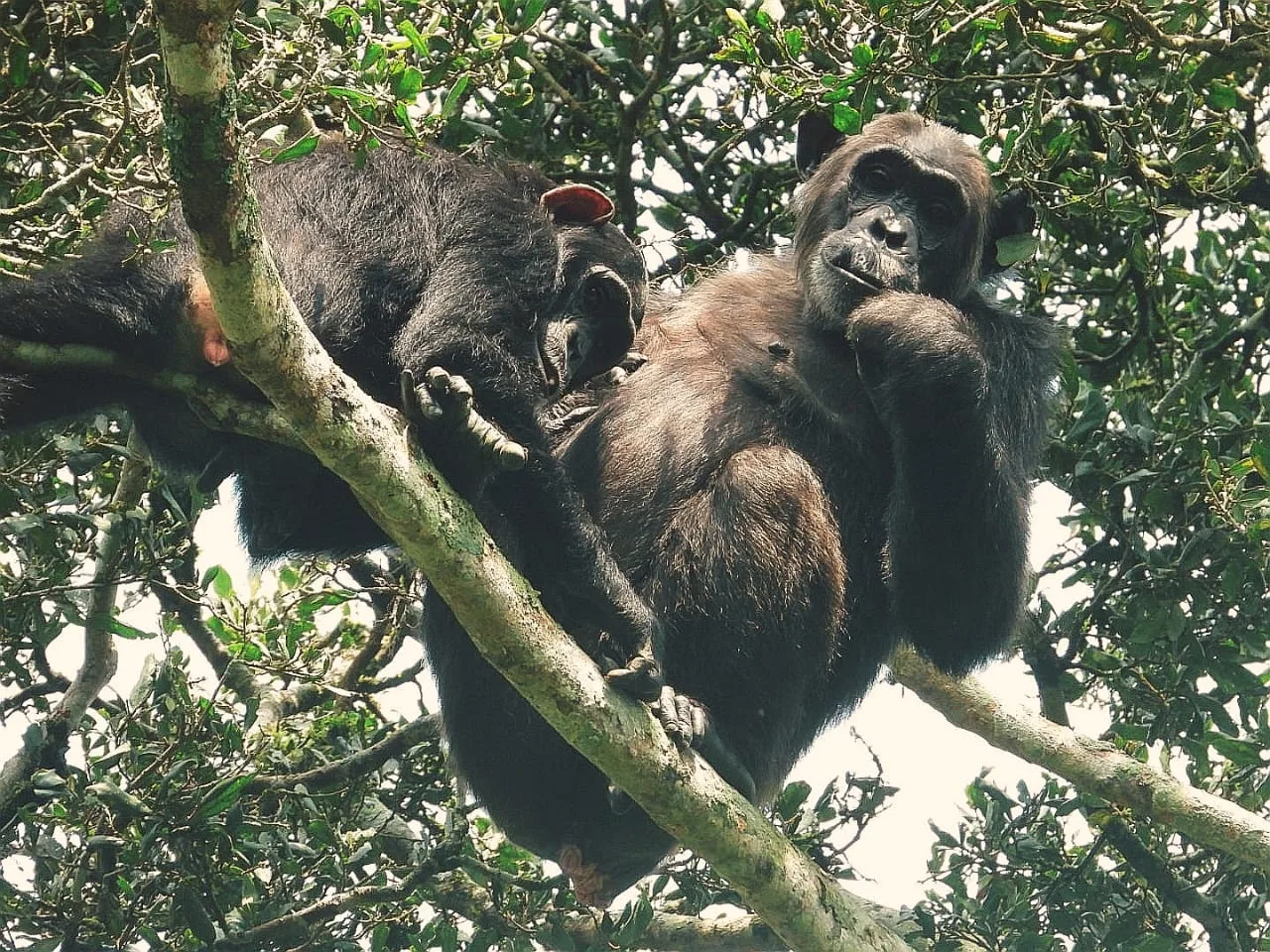
Located near Murchison Falls, Budongo offers a more quiet and less crowded experience.
It is ideal for travelers who want a more exclusive and research-focused chimpanzee encounter.
When is the Best Time for Chimpanzee Habituation?
Chimpanzee habituation is available throughout the year, but conditions vary by season.
JUNE – SEPTEMBER
Best trekking conditions
This is the dry season. Forest trails are easier to walk, and movement is more comfortable.
Chimpanzees may still move deep into the forest, but access is generally easier.
Best for:
- Easier hiking
- Clear forest paths
- First-time visitors
DECEMBER – FEBRUARY
Great alternative dry season
Another good period with favorable weather conditions and less mud.
Best for:
- Comfortable trekking
- Good photography conditions
MARCH – MAY
Rainy season with lush forests
This is the wettest period. Trails become muddy and slippery.
However, food is abundant, so chimpanzees may stay closer and be easier to find.
Best for:
- Fewer tourists
- Rich green scenery
- Better chimp visibility in some cases
OCTOBER – NOVEMBER
Short rains and fewer crowds
This period offers a balance between fewer visitors and moderate trekking conditions.
What to Expect on a Chimpanzee Habituation Day
Your day begins very early, often before sunrise. This is because chimpanzees are most active in the morning.
You will join:
- Researchers
- Experienced guides
- Trackers
Unlike standard trekking, you may start tracking chimps while they are still in their nests.
The experience includes:
- Walking through dense forest
- Listening for chimp calls
- Following fresh tracks and signs
Once the chimpanzees are located, you spend several hours observing them as they go about their day.
The Experience in the Forest
Chimpanzees are very active and unpredictable. They move quickly through trees and on the ground.
You may find yourself:
- Walking fast to keep up
- Looking up into tall trees
- Listening to loud screams and calls
The forest is alive with sound and movement. Unlike gorillas, chimpanzees do not stay in one place for long, which makes the experience more dynamic and adventurous.
Rules and Safety Guidelines
Chimpanzee habituation follows strict rules to protect both visitors and wildlife:
- Keep a safe distance (usually 8–10 meters)
- Do not visit if you are sick
- Avoid direct contact
- No flash photography
- Follow guide instructions at all times
Chimpanzees are strong and can be unpredictable, so safety guidelines are very important.
Permits and Cost
Chimpanzee habituation permits are more affordable than gorilla trekking permits.
Approximate costs:
- Uganda: $200–$300 per person
Prices may vary depending on the location and season.
What to Pack for Chimpanzee Habituation
The forest environment requires proper preparation.
Essential items include:
- Hiking boots with good grip
- Long-sleeved clothing
- Rain jacket
- Insect repellent
- Drinking water
- Snacks
You should also be prepared for humid conditions and occasional rain.
Physical Fitness and Difficulty
Chimpanzee habituation can be physically demanding. The forest terrain is uneven, and chimpanzees move quickly.
You should be ready for:
- Long walks
- Steep and slippery trails
- Fast-paced tracking
However, guides adjust the pace to match the group as much as possible.
Chimpanzee Habituation vs Chimpanzee Trekking
There is a clear difference between the two:
Chimpanzee Trekking
- 1 hour with chimps
- Easier and shorter
- More common
Chimpanzee Habituation
- Up to 4 hours or full day
- More immersive
- Focus on research and behavior
If you want a deeper experience, habituation is the better choice.
Why Chimpanzee Habituation is Worth It
Chimpanzee habituation gives you something more than a typical safari.
It allows you to:
- Understand chimpanzee behavior
- Experience real conservation work
- Spend extended time in nature
It is an educational and emotional journey that connects you with one of our closest relatives in the animal kingdom.
Chimpanzee habituation in Uganda, especially in Kibale National Park, is one of the most unique wildlife experiences you can have.
It is active, immersive, and full of discovery. Whether you are a wildlife lover, photographer, or adventure traveler, this experience offers something truly special.