
Northwestern Uganda is home to Murchison Falls National Park, where the Victoria Nile flows toward Lake Albert and eventually the Mediterranean. It’s Uganda’s largest and oldest conservation area, stretching across 3,893 square kilometers of savannah, forest, and woodland. The park gets its name from its main feature, Murchison Falls, where the Nile pushes through a narrow seven-meter gorge in a dramatic display of nature’s strength.
The park offers many contrasts. Elephants wander through papyrus swamps, giraffes eat from acacia trees in the grasslands, and hippos rest in river pools while large Nile crocodiles watch nearby. Lions move through the undergrowth, and rare birds soar above the wetlands and forests. Although much of its wildlife was lost during Uganda’s difficult years in the 1970s and 1980s, the park has recovered and is now a leading safari destination.
Location and Geography
Murchison Falls National Park lies in northwestern Uganda, about 305 kilometers north of Kampala. It includes parts of Buliisa, Nwoya, Kiryandongo, and Masindi districts. The park is located between Lake Albert and Masindi, at the northern tip of the Albertine Rift Valley, an area famous for its rich biodiversity.
The Victoria Nile flows east to west through the park, dividing it into separate areas. The northern bank features open savannah grasslands with acacia and borassus palms, making it the main area for game viewing. The Buligi Peninsula extends north with wide, rolling plains. South of the river, the landscape is more rugged and covered in woodland and forest.
The park’s elevation varies from 619 meters at the Nile delta to over 1,292 meters on the southern escarpment. This difference creates a variety of microclimates and habitats. The area has a tropical climate, with two rainy and two dry seasons each year, and temperatures ranging from 20 to 30 degrees Celsius.
A Century of Conservation: The Park’s History
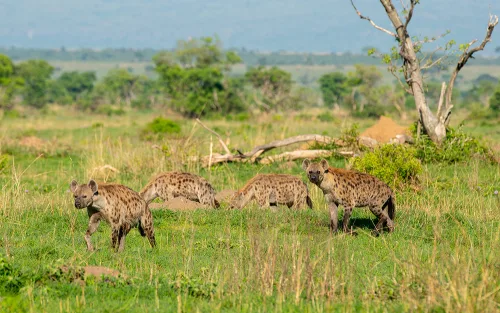
Conservation began in 1926 when the area became a game reserve under British rule. In 1952, it was declared Uganda’s first national park. In the 1950s and early 1960s, Murchison Falls was famous for its wildlife and drew scientists, filmmakers, and tourists.
The park faced serious challenges during Uganda’s political turmoil. After Idi Amin took power in 1971, soldiers hunted in the park. Elephants were killed for ivory, hippos for meat, and other animals suffered as law enforcement collapsed. By the mid-1980s, elephant numbers fell from 14,000 to under 500, buffalo populations dropped, and rhinos vanished from the park.
Recovery began after political stability returned in 1986. The Uganda Wildlife Authority brought back protection and rebuilt the park in the 1990s. Anti-poaching patrols resumed, wildlife numbers increased, and lodges reopened for visitors. By 2010, the park had regained much of its former beauty.
Murchison Falls
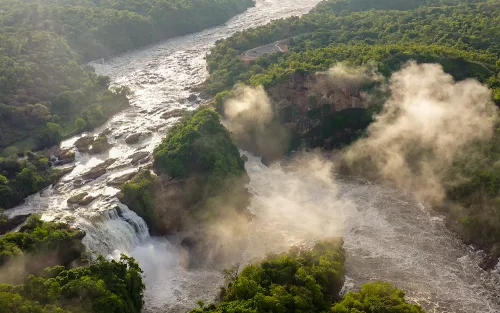
In 1864, British explorer Samuel Baker became the first European to describe the falls, naming them after Sir Roderick Murchison, president of the Royal Geographical Society. The Victoria Nile flows west from Lake Victoria, passing through rapids before reaching Murchison Falls. At the falls, the river hits hard rock and squeezes through a narrow gap in the rift valley escarpment. The water drops 43 meters into a foaming pool, creating mist and a roar that can be heard from far away. On sunny days, the spray forms rainbows, and over time, the water has carved unusual rock shapes.
The Safari Experience
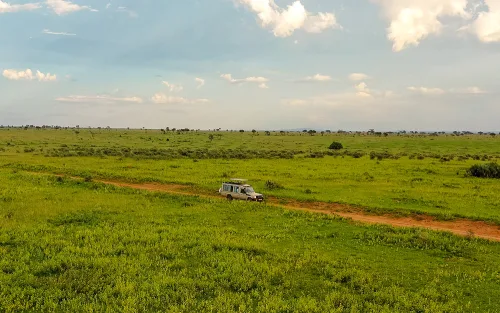
Murchison Falls is one of the best places in Uganda to see big game, with many savannah animals roaming the Buligi Peninsula and the northern grasslands.
Elephants are one of the park’s greatest conservation successes. Their numbers have increased from fewer than 500 in the late 1980s to over 1,300 today. These elephants are smaller and more cautious than those in some other African parks because of their history. Large herds gather at waterholes, and their smaller tusks show the effects of past poaching.
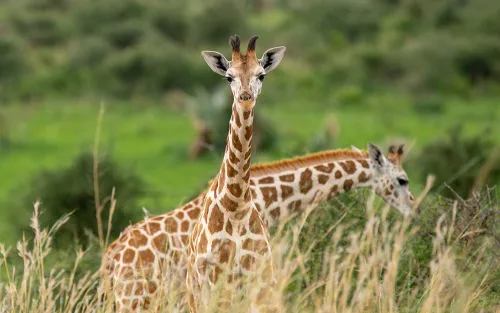
Rothschild’s giraffes are another conservation success story. This endangered subspecies, known for its white legs that look like stockings, has found a safe home in Murchison. The park now has one of the largest wild populations, with over 1,500 giraffes. Watching these graceful animals feed on acacia trees with the Nile valley in the background is one of the park’s most memorable sights.
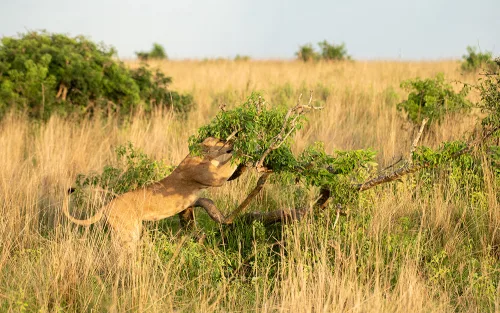
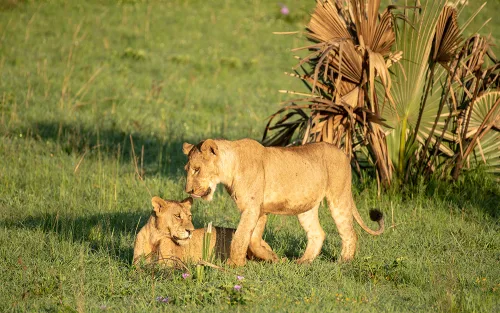
Murchison’s lions are not as numerous as those in the Serengeti, but they are still easy to see. Several prides live on the northern bank, and some even climb trees, which is rare and makes for great photos.
Leopards are present in good numbers, but seeing them requires patience and luck. Cape buffalo travel in large herds, and their big horns and unpredictable behavior earn respect from both guides and visitors.
Antelope add variety to the park’s wildlife. Uganda kob are common in the grasslands, and Jackson’s hartebeest, oribi, bushbuck, and waterbuck also graze throughout the park. Warthogs dash across the plains with their tails up, often bringing a smile to visitors.
The Nile: River of Life
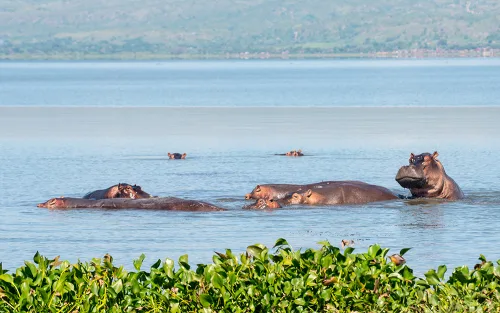
The Victoria Nile runs 115 kilometers through the park and is the heart of the whole ecosystem. Hippos are abundant, with Murchison hosting one of the largest groups in Africa. These huge mammals, weighing up to 3,000 kilograms, stay in the water during the day to protect their skin from the sun.
Nile crocodiles also do well here, with some old males growing over six meters long. They often lie motionless on sandbanks, looking like ancient statues. Despite their fearsome reputation, they play an important role in the ecosystem by controlling fish numbers and cleaning up dead animals.
The riverbanks attract animals year-round, especially in the dry season when elephants, buffalo, antelope, and many other species come to drink. The delta, where the Victoria Nile meets Lake Albert, is a unique wetland with papyrus swamps and winding channels, especially important for water birds.
Birdwatching Paradise
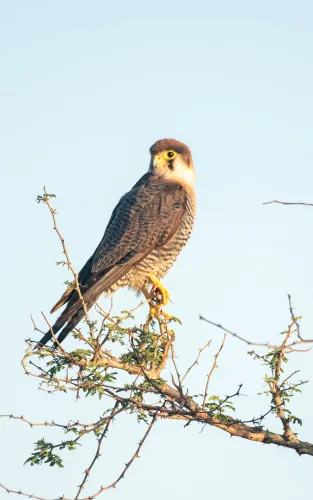
With over 450 bird species recorded, Murchison Falls is one of Uganda’s best places for birdwatching. The park’s mix of grasslands, forests, wetlands, and woodlands supports a wide variety of birds.
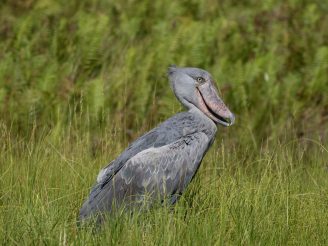
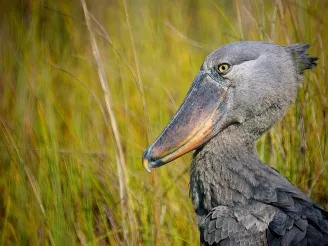
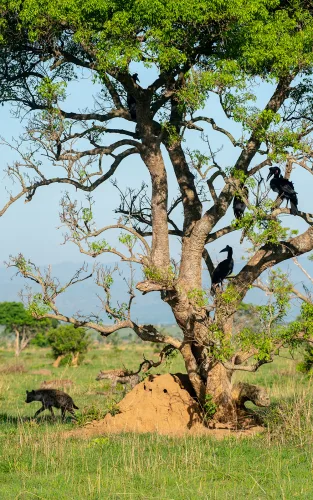
The shoebill is a highlight for bird lovers. This rare bird stands up to 1.5 meters tall with its large, shoe-shaped bill and lives in the papyrus swamps of the delta. Finding one takes effort and usually requires a special trip to the delta.
Along the Nile, African fish eagles perch in riverside trees and their calls echo over the water. Goliath herons walk through the shallows, and several types of kingfishers display bright colors as they dive for fish. Carmine bee-eaters nest in groups along the riverbanks, creating spectacular displays of red and blue.
In the savannah and woodlands, secretary birds hunt snakes and rodents, kori bustards walk across the plains, and birds of prey like martial eagles and bateleur eagles soar overhead.
Activities in Murchison Falls National Park
Game Drives
Most safaris include game drives along the many roads on the northern bank. The Buligi Peninsula is a top spot for seeing wildlife. Early morning drives, starting at dawn, are the best time to see predators moving and prey heading to water.
The northern bank has open grasslands, woodlands, and forests along the Nile, each home to different animals. Late afternoon drives are great for photography, as animals become more active when it’s cooler.
The southern bank is less developed, giving visitors a wilder experience with rougher roads and a stronger sense of real wilderness.
Boat Safaris
A boat safari on the Nile is one of Africa’s best wildlife experiences, giving you views you can’t get from a vehicle.
Boat Trip to Murchison Falls
The two- to three-hour boat ride from Paraa to the base of the falls gives you chances to see hippos, crocodiles, and other wildlife. As the boat gets closer to the falls, the current grows stronger and you can really feel the power of the water rushing through the narrow gap.
Wildlife Viewing from the Water
Boat trips show hippo pods with dozens of animals grunting and yawning, large Nile crocodiles on sandbanks, and animals coming to drink at the riverbanks during the dry season.
Delta Boat Excursions
The delta wetland, with its papyrus swamps, lets you explore a quieter side of the park. Patient visitors may spot rare species here, including the shoebill stork.
Hiking to the Top of the Falls
This moderately challenging walk along the southern bank goes through forest and rocky ground. At the top, you can look down into the narrow gorge and feel the ground tremble from the force of the water.
Night Drives
When permitted, night drives reveal the glowing eyes of animals you can’t see during the day. Leopards and lions hunt in the dark, bushbabies leap between trees, and nocturnal animals like porcupines, civets, and genets come out.
Hot Air Balloon Safaris
When available, balloon safaris give you unforgettable views as you float over the plains at sunrise. The hour-long flight ends with a champagne breakfast in the bush.
Guided Nature Walks
Walking safaris focus on tracking skills and spotting smaller animals you might miss from a vehicle. Armed rangers lead these walks and share their knowledge about plants, insects, animal tracks, and how the ecosystem works.
Sport Fishing
Sport fishing for Nile perch, which can weigh over 100 kilograms, attracts fishing fans. Catch-and-release is encouraged to help keep fish populations healthy.
Chimpanzee Trekking in Budongo Forest
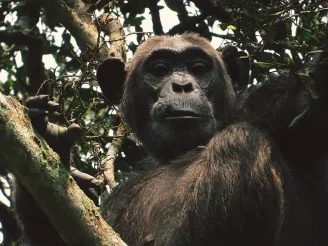
Budongo Forest Reserve, next to the park’s southern edge, protects one of East Africa’s largest mahogany forests and is home to over 600 chimpanzees. Visiting Budongoting Budongoting Budongo adds a forest adventure to your savannah safari.
Rhino Tracking at Ziwa Rhino Sanctuary
Located between Kampala and the park, Ziwa offers close-up rhino tracking on foot, letting visitors see all of the “Big Five” near Murchison.
Cultural Experiences
Cultural experiences let visitors meet local people, learn about their way of life, and see what it’s like to live near wildlife. Village walks and visits to community projects help connect conservation with community growth.
Wildlife Conservation: Challenges and Triumphs
The park’s recovery from near-collapse in the 1980s is one of conservation’s great success stories. The Uganda Wildlife Authority, set up in 1996, hired trained rangers and worked with international groups to restore wildlife populations.
Current challenges include oil exploration in the Albertine Graben and conflicts between people and wildlife. Programs now share tourism income with local communities, pay for lost livestock, and teach people how to live safely with wildlife.
Rhinos, which disappeared during the difficult years, are being reintroduced through Ziwa Rhino Sanctuary, which now has over 30 rhinos. The park’s rangers continue their dangerous work protecting animals from poachers.
Practical Visitor Information
How to Get There
By road from Kampala, the park is about 305 kilometers away, which takes 5 to 6 hours. Many visitors stop at Ziwa Rhino Sanctuary along the way. Flights to airstrips at Pakuba, Bugungu, and Chobe take about an hour.
Accommodation
Accommodation options range from budget campsites to luxury lodges. The Paraa area on the northern bank has many places to stay close to activities. Some lodges are on bluffs above the Nile and offer stunning views.
Best Times to Visit
The dry seasons (December to February and June to September) have easier roads and better animal viewing as wildlife gathers at water sources. These are the busiest months and prices are higher.
The wet seasons (March to May and October to November) bring lush scenery, active birdlife, and fewer visitors for a more peaceful experience, though some roads can be difficult.
Park Entry Fees
Different entry fees apply for foreigners, East African residents, and Ugandan citizens. Vehicle fees and special activities like boat trips, rhino tracking, and chimpanzee trekking cost extra.
Health Considerations
Take malaria prevention medicine and make sure you have a yellow fever vaccination certificate. It’s also recommended to have travel insurance that covers medical evacuation.
Conclusion
Murchison Falls National Park shows nature’s resilience and conservation success. After almost collapsing during Uganda’s difficult years, the park now thrives thanks to protection and sustainable tourism. Visitors can enjoy a real African safari, from seeing wildlife to feeling the power of the falls.
The park’s future depends on careful management to handle ongoing threats like oil development, population growth, and poaching. As the Nile rushes through its narrow gorge, Murchison Falls stands as a symbol of hope that people and wildlife can live together.
Get in touch with us to start planning your safari to Murchison Falls National Park. We’ll take care of all the details so you can relax and enjoy your trip.