
Gorilla trekking is one of the most extraordinary wildlife experiences in the world. It is not just a safari activity—it is a deep, emotional journey into the heart of Africa’s ancient rainforests. The moment you lock eyes with a wild mountain gorilla, everything becomes still. You are no longer just a visitor; you are part of something rare and powerful.
This detailed guide is designed to help you fully understand gorilla trekking, from planning your trip to what you will feel when you finally meet these gentle giants.
What is Gorilla Trekking?
Gorilla trekking is the experience of hiking through dense tropical forests in search of endangered mountain gorillas. Once the gorillas are found, visitors are allowed to spend one hour observing them in their natural environment.
This activity takes place in only a few places in the world, mainly in:
- Uganda
- Rwanda
- Democratic Republic of the Congo
The most popular trekking parks include:
- Bwindi Impenetrable National Park
- Mgahinga Gorilla National Park
- Volcanoes National Park
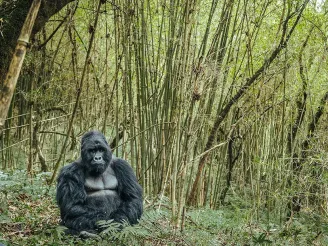
These forests are home to mountain gorillas, a species found nowhere else on Earth. The experience is carefully controlled to protect them, which makes it both exclusive and meaningful.
The History and Conservation of Mountain Gorillas
Mountain gorillas were once on the brink of extinction. Due to poaching, habitat destruction, and disease, their numbers dropped dangerously low in the 20th century.
Conservation efforts led by organizations, governments, and researchers like Dian Fossey helped change this story. Today, mountain gorillas are one of the few endangered species whose population is increasing.
This success is largely because of controlled tourism. Gorilla trekking permits are limited, expensive, and strictly managed. The money collected supports:
- Anti-poaching patrols
- Veterinary care for gorillas
- Local community development
- Forest conservation
When you go gorilla trekking, you directly contribute to saving this species.
Where to Go Gorilla Trekking
Bwindi Impenetrable National Park
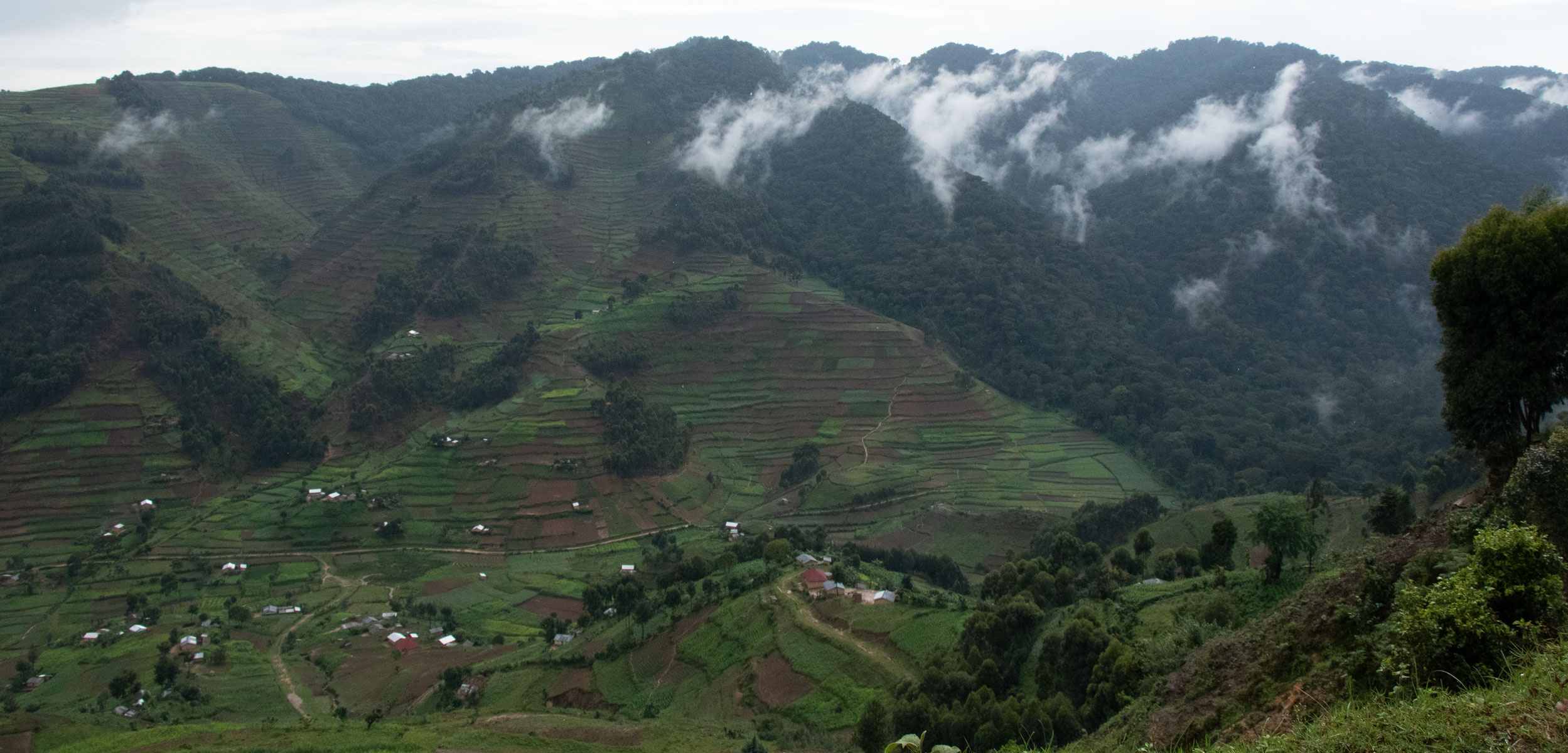
Bwindi Impenetrable Forest is the most famous gorilla trekking destination in Africa. It is home to nearly half of the world’s mountain gorilla population. The forest is thick, ancient, and incredibly biodiverse.
Bwindi Impenetrable Forest has four main trekking regions:
- Buhoma
- Ruhija
- Rushaga
- Nkuringo
Each sector offers a different trekking experience, with varying terrain and gorilla families.
Mgahinga Gorilla National Park
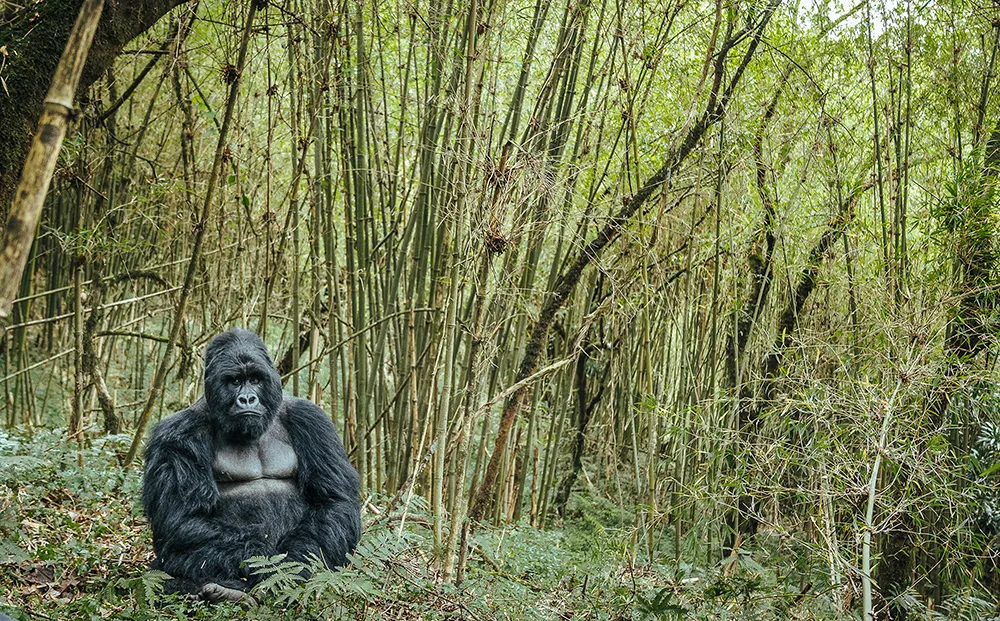
This smaller park offers a more quiet and less crowded experience. It is part of the Virunga Mountains and is perfect for travelers who want a more exclusive feel.
Volcanoes National Park
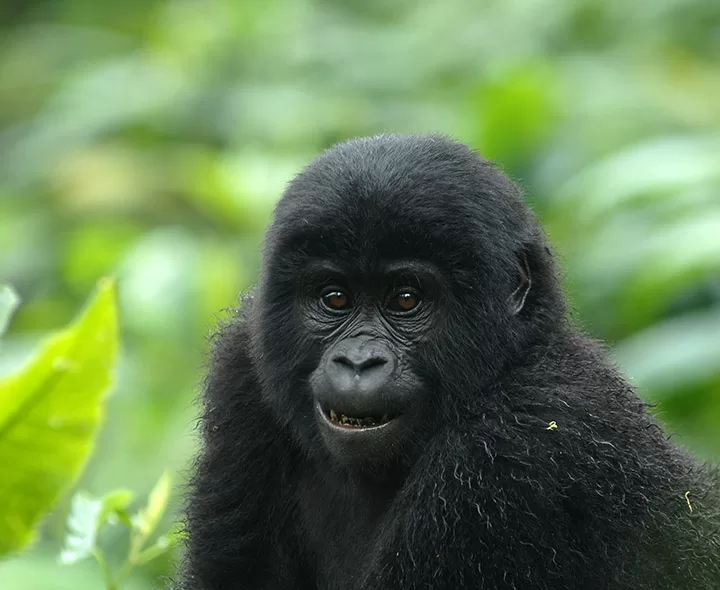
This park is known for luxury and accessibility. The roads are better, and the park is close to Kigali, making it ideal for shorter trips.
However, permits here are more expensive compared to Uganda.
When is the Best Time for Gorilla Trekking?
Gorilla trekking is available all year, but your experience can change depending on the season.
JUNE – SEPTEMBER (Peak Dry Season)
This is the best time for most travelers. The forest trails are drier and easier to navigate.
You will find:
- Less mud and fewer slippery paths
- Clearer views for photography
- More comfortable trekking conditions
This is also the busiest season, so permits should be booked early.
DECEMBER – FEBRUARY (Short Dry Season)
This is another excellent time to visit. The weather is relatively dry, and trekking conditions are good.
It is ideal for:
- Holiday travelers
- Honeymoon safaris
- Photographers
MARCH – MAY (Long Rainy Season)
This is the wettest time of the year. Trails become muddy and more challenging.
However, there are benefits:
- Fewer tourists
- Easier permit availability
- Lush, green scenery
This season suits adventurous travelers and those looking for lower costs.
OCTOBER – NOVEMBER (Short Rainy Season)
Rainfall is lighter than in the long rainy season, but conditions can still be slippery.
This is a quieter time with fewer visitors, offering a more private experience.
What Happens on a Gorilla Trekking Day?
Your day starts early in the morning at the park headquarters. After breakfast, you attend a briefing led by park rangers.
You are then assigned:
- A gorilla family
- A professional guide
- A group of up to 8 trekkers
The trek begins as you enter the forest. The experience is unpredictable. Gorillas move freely, so the time it takes to find them can vary.
You may trek for:
- 1 hour (easy)
- 3–4 hours (moderate)
- 5–6 hours (challenging)
The terrain can be steep, muddy, and covered in thick vegetation. But the journey itself is part of the adventure.
The Moment You Meet the Gorillas
When the gorillas are finally located, everything changes.
You are asked to stay calm and quiet as you approach. The guide positions you at a safe distance.
For one hour, you observe their world:
Mothers caring for babies
Young gorillas playing
The silverback watching over the group
There is no barrier between you and them. Just a few meters of shared space in the wild.
It is quiet, emotional, and deeply humbling.
Gorilla Trekking Rules and Safety
To protect both humans and gorillas, strict rules are followed:
- Maintain a 7-meter distance
- Do not trek if you are sick
- Wear a mask if required
- Avoid sudden movements
- No flash photography
- Follow all ranger instructions
These rules are essential because gorillas can catch human diseases.
Gorilla Trekking Permits and Cost
Permits are required and must be booked in advance.
Typical prices:
- Uganda: about $700 per person
- Rwanda: about $1,500 per person
- Congo: lower cost but less stable tourism
Uganda offers the best value, especially in Bwindi Impenetrable National Park, where you get a rich experience at a more affordable price.
What to Pack for Gorilla Trekking
Packing properly will make your trek much more comfortable.
Essentials include:
- Waterproof hiking boots
- Long trousers and long-sleeved shirts
- Rain jacket
- Gardening gloves for support
- Insect repellent
- Drinking water and snacks
Hiring a porter is highly recommended. It not only makes your trek easier but also supports local communities.
Gorilla trekking Physical Fitness and Difficulty Level
Gorilla trekking is not a walk in the park. It requires a reasonable level of fitness.
You should be prepared for:
- Steep climbs
- Uneven terrain
- Long hours of walking
However, guides adjust the pace based on the group. Even older travelers can complete the trek with support.
Gorilla Habituation Experience (Uganda Only)
In Bwindi Impenetrable National Park, there is a special experience called gorilla habituation.
Instead of one hour, you spend up to four hours with a gorilla family that is still getting used to humans.
This is ideal for:
- Photographers
- Researchers
- Travelers who want a deeper experience
Why Gorilla Trekking is Worth It
Gorilla trekking is not just about seeing animals. It is about connection.
You step into a world that feels untouched. You slow down. You observe. You feel.
Meeting a gorilla in the wild changes how you see nature and conservation. It reminds you that we share this planet with incredible creatures that deserve protection.