
Set in the misty mountains of southwestern Uganda, Bwindi Impenetrable National Park is one of Africa's most prestigious wilderness areas. Recognized as a UNESCO World Heritage Site since 1994, it covers 321 square kilometers of ancient rainforest that has remained much the same for over 25,000 years. The park's name truly fits—its dense vegetation, steep ravines, and thick vines made it nearly impossible for early explorers to cross, earning it the title 'impenetrable.'
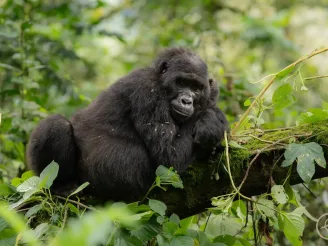
Bwindi sits along Uganda's border with the Democratic Republic of Congo, with elevations between 1,160 and 2,607 meters. Its range in altitude and location where montane and lowland forests meet make it a hotspot for biodiversity. However, Bwindi is best known for its mountain gorillas. About half of the world's remaining mountain gorillas live here, drawing wildlife lovers and conservationists from around the world who hope to spend an hour with these incredible animals.
The Mountain Gorillas
Bwindi's mountain gorillas are at the heart of a major conservation success story. In the 1960s, when Dian Fossey began her research, fewer than 700 mountain gorillas remained in the wild, split between the Virunga Mountains and Bwindi. Years of poaching, habitat loss, and conflict nearly wiped them out. Now, after dedicated conservation work, the population has grown to over 1,000, with about half living in Bwindi.
Bwindi has around 26 gor
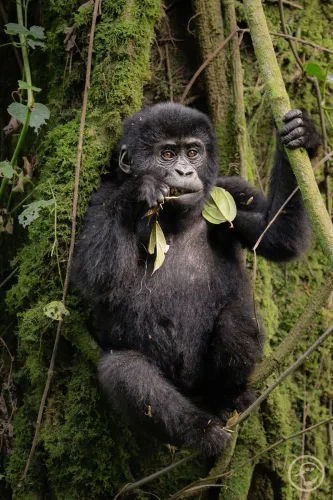
illa families that are used to seeing people, a process that takes years. About 24 of these families welcome tourists, while the rest are studied by researchers. Each family is unique, shaped by the relationships between the silverback, females, young gorillas, and infants. Names like Mubare, Habinyanja, Rushegura, and Nkuringo are well known among trekkers, with each group living in one of the park's four main areas: Buhoma, Ruhija, Rushaga, and Nkuringo.
Many people say that seeing mountain gorillas in the wild is a life-changing experience. With a limited daily permit, visitors join small groups of up to eight, guided by skilled trackers and rangers. The trek can take anywhere from 30 minutes to over six hours, depending on where the gorillas are. The hike is tough, with steep, muddy paths, thick plants, and even stinging nettles, so long sleeves and gloves are recommended.
When you finally see a huge silverback or a playful baby gorilla, all the hard work of the trek is forgotten. The hour you spend with them goes by quickly as you watch them eat, groom, play, and sometimes show off with chest-beating or breaking branches. Many visitors are struck by how familiar the gorillas seem, reminding us that we share about 98 percent of our DNA. This meeting connects us to our past and highlights our duty to protect them.
A Biodiversity Hotspot Beyond the Gorillas
Mountain gorillas may be the stars, but Bwindi is home to much more. The park has at least 120 mammal species, making it one of East Africa's richest ecosystems. Ten types of primates live here, such as chimpanzees, L'Hoest's monkeys, black-and-white colobus, red-tailed, and blue monkeys. Forest elephants are rarely seen but still roam the park. Other animals include forest buffalo, several duiker species, b
ush pigs, giant forest hogs, and many bats that help with pollination and spreading seeds.
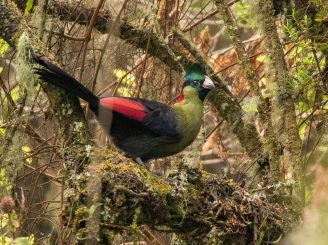
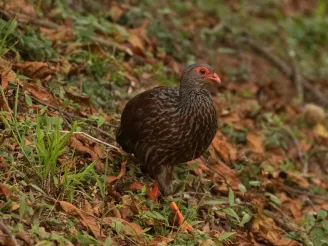
Bird lovers will find Bwindi a true paradise. The park has over 350 bird species, with 23 found only in the Albertine Rift. Birds like the African green broadbill, Shelley's crimsonwing, and the handsome francolin attract visitors from all over. The forest is filled with the sounds of great blue turacos, robins, akalats, and many hornbills. Early morning walks often reveal mixed flocks moving through the trees, making the forest lively and colorful.
Bwindi's ancient forest is impressive in its own right. It has over 200 types of trees and more than 100 kinds of ferns. Tall hardwoods reach up, covered in epiphytes, lichens, and vines. The ground is layered with leaves, fungi, and flowers that thrive in the shade. More than 200 butterfly species can be seen in sunny spots, and many invertebrates help break down material and recycle nutrients. This ecosystem has changed and grown over thousands of years, offering new discoveries to scientists.
The Gorilla Trekking Experience: What to Expect
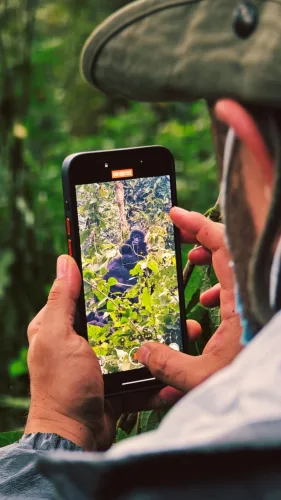
Gorilla trekking in Bwindi is an adventure that needs both physical fitness and an open mind. The day starts early, usually with a briefing at park headquarters around 7:30 or 8:00 AM. Rangers go over important rules to keep both people and gorillas safe: stay seven meters away, avoid direct eye contact with silverbacks, cover coughs and sneezes, and never use flash photography. Groups are matched with gorilla families based on fitness and preference, since some treks are harder than others.
The trek through Bwindi can be tough, with steep and muddy paths, especially during the rainy seasons from March to May and September to November. Hiring a porter is a good idea—not just for help with your bag and the rough terrain, but also because it supports local jobs. You'll need a strong walking stick, waterproof boots with ankle support, long sleeves, long pants, and gloves for grabbing plants.
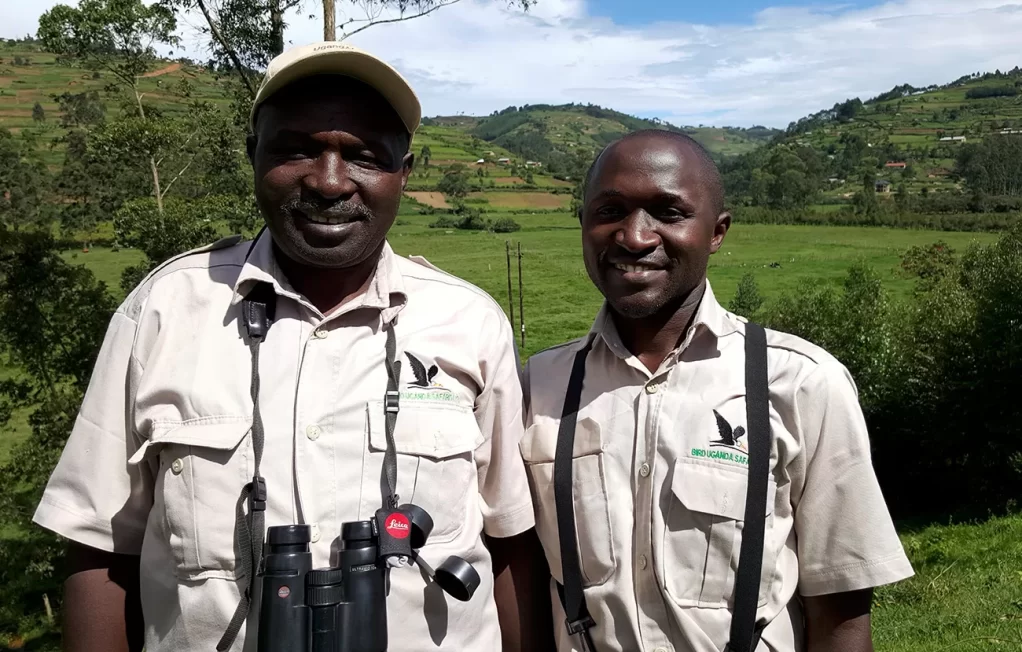
Trackers use radios to guide your group to where the family is. As you get closer, everyone moves quietly and speaks in whispers. Suddenly, you might see them—dark shapes in the bamboo, a mother holding her baby, or young gorillas playing. Your guide will help you get the best view while making sure everyone follows the rules and keeps a safe distance.
The hour you spend watching the gorillas goes by fast. You see their daily life up close, with little disturbance from your group. The silverback may look at you briefly before eating again, and sometimes a young gorilla comes closer than allowed, so you have to step back. Visitors take lots of photos to remember the moment. After the hour is up, guides lead you back through the forest, where you receive a certificate for your trek.
Gorilla trekking permits are limited and should be booked early, especially in busy seasons. Recently, permits have cost $800 USD for foreign non-residents, $700 for foreign residents, and less for East African citizens. While the price is high, the proceeds go directly to conservation and support local communities, giving people a reason to protect the gorillas.
Other Activities at Bwindi Impenetrable National Park
Mountain gorilla trekking is the main draw at Bwindi, but the park also offers many other experiences that highlight its rich wildlife and cultural history. If you want to stay longer, take a break after trekking, or see more of the forest, these activities are great options.
Gorilla Habituation Experience
If you want more time with the mountain gorillas, the Gorilla Habituation Experience lets you spend up to four hours with a gorilla family that is still getting used to people. You’ll join researchers and trackers to watch and learn about gorilla behavior, social groups, feeding habits, and personalities. This experience is available in the Rushaga sector with small groups, usually limited to four visitors. It requires a separate permit that costs more than standard trekking, but it’s a great choice for wildlife fans and photographers who want to learn more about gorilla conservation.
Birdwatching Walks
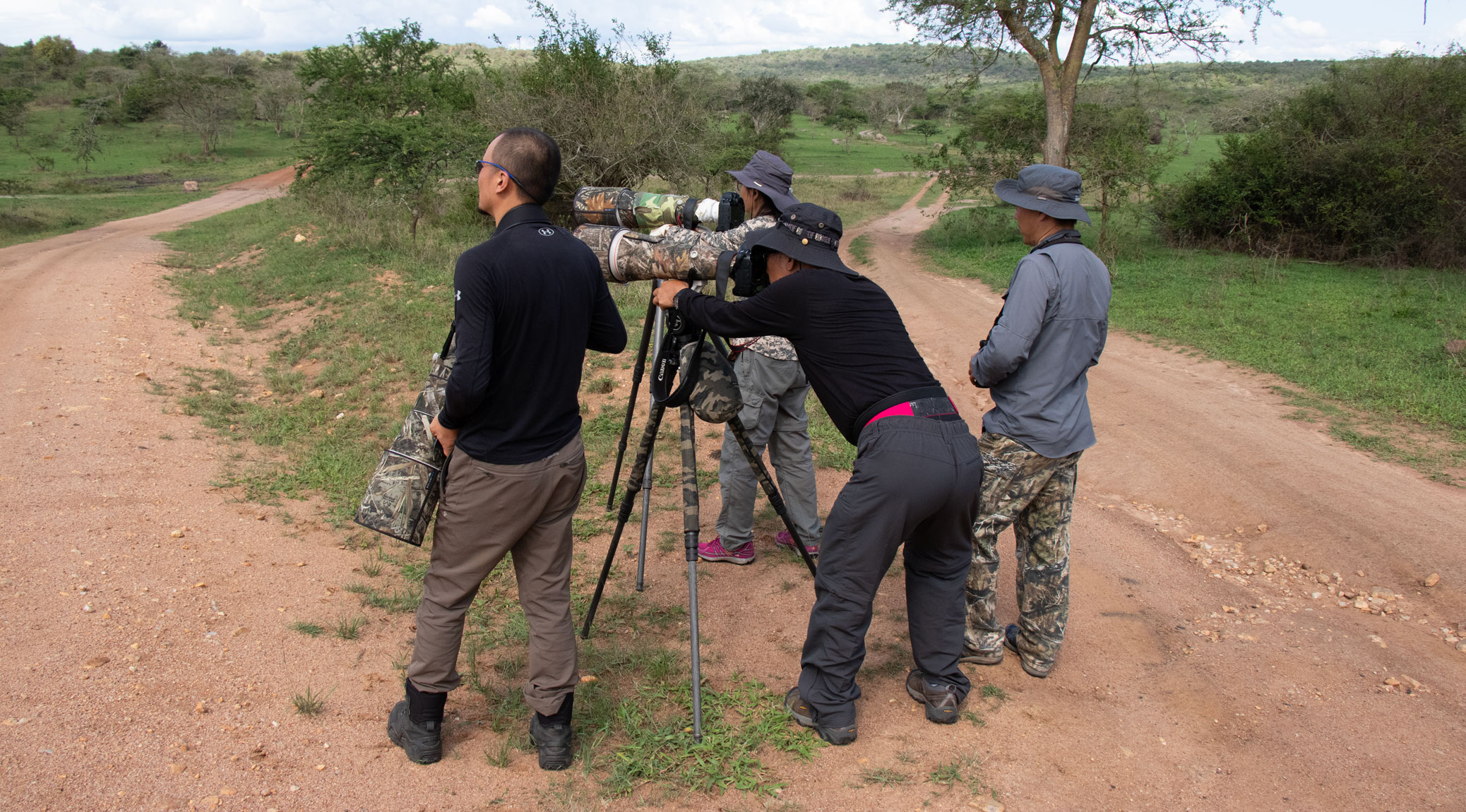
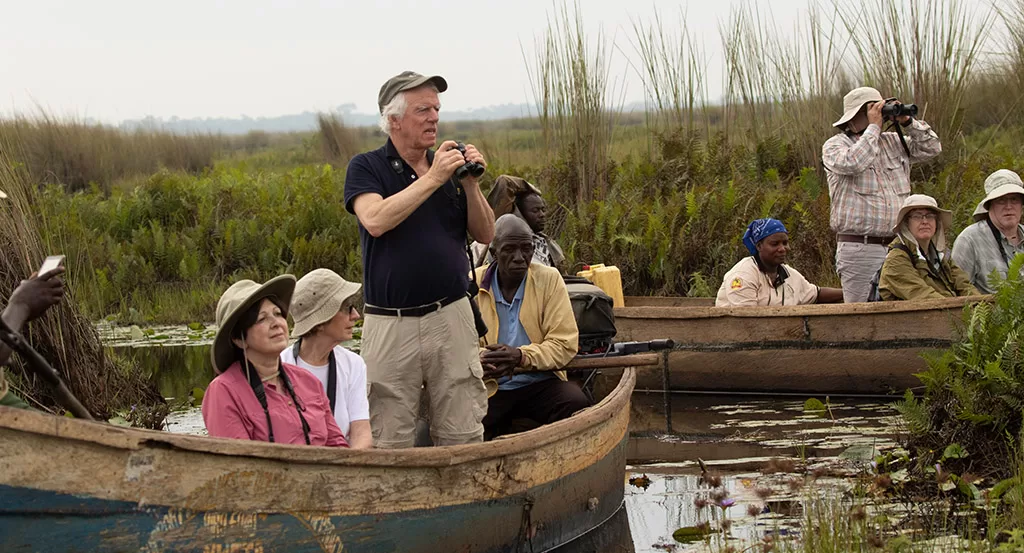
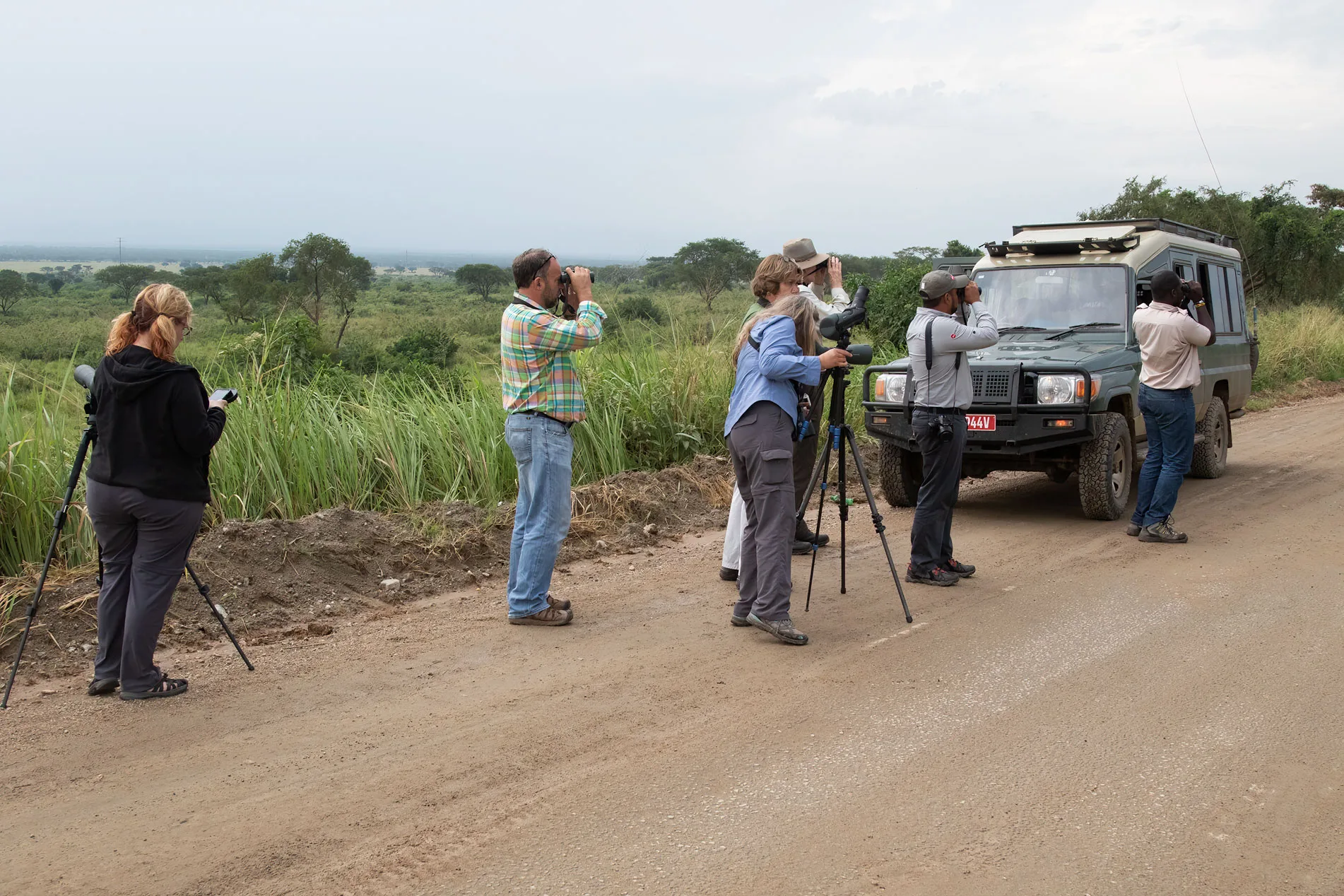
Bwindi is a top spot for birdwatchers, with over 350 species, including 23 that are only found in the Albertine Rift. You can join guided birdwatching walks in any park sector, led by guides who know the birds’ calls and the best places to see them. Early mornings are the best time, when the forest is full of birdsong and flocks move through the trees. You might see the African green broadbill, Shelley’s crimsonwing, handsome francolin, and Rwenzori turaco. The higher areas near Ruhija are especially good for birding, with chances to spot the bar-tailed trogon, purple-breasted sunbird, and robin-chats. Walks usually last three to four hours and can be adjusted to your interests and experience.
Forest Nature Walks and Hiking Trails
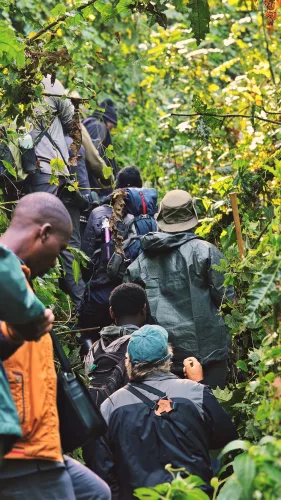
Bwindi has many trails that let you explore the rainforest at a slower pace than gorilla trekking. You’ll see everything from tall trees to small plants, fungi, and insects. Popular trails include the Munyaga River Trail in Buhoma, which follows a stream, the challenging Rushura Hill Trail with great views, and the Muzubijiro Loop Trail, which mixes forest walks with cultural visits. These walks are good for spotting the ten primate species in the forest, such as chimpanzees, L’Hoest’s monkeys, black-and-white colobus, and other monkeys. Guides will also show you medicinal plants and explain how different species interact. Walks usually last two to four hours and range from easy to more difficult, so there’s something for everyone.
The Batwa Cultural Experience
The Batwa Experience lets you learn about the indigenous Batwa people, who lived in Bwindi for thousands of years before it became a national park. Batwa guides show you their traditional forest life, including hunting with bows and arrows, making fire without matches, gathering medicinal plants, and performing songs and dances.
Waterfall Hikes
There are several waterfall hikes in and around Bwindi that combine forest walks with the beauty of streams and lush plants. The most popular is in the Nkuringo sector, where you hike into valleys and climb back up, getting a good workout and great views. Other waterfalls can be reached from the Buhoma and Ruhija sectors.
Community Walks and Village Tours
Visiting the communities near Bwindi gives you a look at rural Ugandan life and how local people interact with the park. Community walks take you through villages to see traditional homes, farming, and local crafts. Many villages offer cultural tourism, where you can meet a traditional healer, watch basket weaving, see beer brewing, or help prepare dishes like matoke and groundnut sauce. Some walks include visits to projects funded by tourism, such as schools, clinics, or water systems, helping you understand how conservation affects local people. These experiences create real connections and cultural insights, and your visit helps support community development.
Mountain Biking
If you’re looking for adventure, mountain biking is a fun way to explore the areas around Bwindi. Guided bike tours take you through villages, along the forest, and over the hills of southwestern Uganda. The climbs can be tough, but the downhill rides and views are worth it. Guides tailor routes to your fitness and interests, from short rides to full-day trips. You’ll see terraced hills, meet local people, and get a new view of the landscape. Some routes include stops at schools, craft centers, or viewpoints. Local tour operators or lodges usually organize these trips, providing bikes and guides who know the area and can help with any issues. It’s a great choice for active travelers who want to see more and stay active.
Relaxation and Lodge-Based Activities
After a challenging gorilla trek, many visitors enjoy taking time to relax and make use of the lodge facilities. Many places to stay near Bwindi have beautiful gardens, cozy lounges with views of the forest, and spa services that help you recover from muddy trails. Lodges often have their own short nature walks, where you might spot sunbirds, butterflies, and sometimes monkeys in the gardens.
In the evenings, you can watch local dancers and drummers perform, or head to a viewpoint to see the mist roll over the forest. These quieter moments are an important part of the Bwindi experience. They give you time to reflect on your gorilla encounters, connect with other travelers, and enjoy the peaceful setting.
You can read, take photos of birds, or just listen to the sounds of the rainforest from a terrace. The daily routine at Bwindi, with early morning treks and relaxed afternoons, creates a balanced and memorable safari that is about more than just seeing wildlife.
The Batwa People: The Forest's Original Inhabitants
It's important to recognize the Batwa people, who lived in Bwindi for thousands of years before it became a national park. The Batwa, sometimes called pygmies (though many dislike this term), were hunter-gatherers who lived closely with the forest. They hunted small animals with bows and arrows, collected honey, fruits, and medicinal plants, and built temporary shelters as they moved through their land.
In 1991, when Bwindi became a national park, authorities forced the Batwa to leave their ancestral land for conservation reasons. While this helped protect gorillas, it caused great hardship for the Batwa. Many lost their way of life and became poor, landless, and marginalized in places where their forest skills were no longer useful. This rapid change, from self-sufficient forest people to landless villagers, is one of the most difficult ethical issues in conservation.
Today, there are efforts to protect Batwa culture and help them earn money through tourism. The Batwa Experience is available near some park areas. It lets visitors meet Batwa guides. These guides demonstrate traditional hunting, fire-making, and gathering techniques. They also share their knowledge of plants. These activities give Batwa families income. They help preserve traditions for younger generations. These young people never experienced life in the forest.
Still, the situation is complicated. Tourism brings some money, but many Batwa remain poor and live on the edges of Ugandan society. Groups are working to improve education, healthcare, and land rights, but the effects of displacement are lasting. Visitors to Bwindi should learn about this history and consider supporting projects that help the Batwa. Their story shows that conservation must also address fairness and the rights of indigenous people.
Conservation: Protecting a Precious Heritage
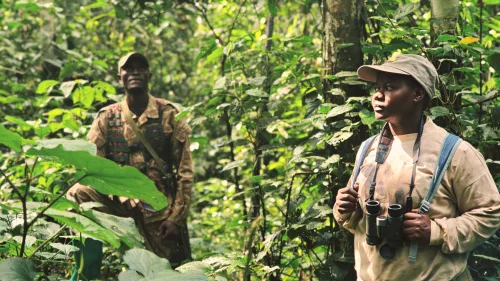
The recovery of mountain gorillas in Bwindi is the result of years of hard work by rangers, researchers, vets, and conservation groups, all working with local communities. Many challenges remain for the gorillas and the whole ecosystem, so conservationists must provide ongoing care and flexible management.
One of the biggest dangers to gorillas is catching diseases from humans. Since gorillas are so similar to us, they can get many of our illnesses, including serious ones. That's why there are strict health checks before treks, and anyone who feels sick must give up their permit. The COVID-19 pandemic made everyone more aware of these risks, so park authorities now require masks during gorilla visits.
Another ongoing problem is people moving into gorilla habitat. Dense populations surround Bwindi, so the park's borders always face pressure. Locals need land for farming, firewood, and building materials. If they don't have other ways to make a living, conservation would be very difficult. To help address this, park authorities direct some of the money from fees to local communities. Funds from gorilla permits support community projects. These include schools, clinics, and water systems.
The Uganda Wildlife Authority has skilled rangers who patrol the park, watch over gorilla families, and handle any dangers. Vets from groups like Gorilla Doctors treat injured or sick gorillas, remove snares, and administer medicine when necessary. These efforts have saved many gorillas and help keep the population healthy and diverse.
When managed well, tourism is the best support for gorilla conservation. It brings in money and jobs, giving local people a real reason to protect gorillas. Many businesses—like hotels, guides, porters, and craft sellers—rely on visitors who come to see Bwindi's gorillas. This shows that protecting live gorillas is much more valuable than using the forest for other resources.
Planning Your Visit to Bwindi
Getting to Bwindi takes effort, but it's part of the adventure. Most people fly into Entebbe International Airport near Kampala. From there, you can drive eight to ten hours to the park or take a shorter domestic flight to airstrips at Kihihi or Kisoro. The drive is long but offers beautiful views of hills, farms, and villages.
You can find all kinds of places to stay near Bwindi, from simple campsites to luxury lodges. Each of the four main areas has its own group of accommodations. Buhoma in the north is the oldest and has the most options, close to park headquarters. Ruhija in the east is higher up, cooler, and great for birdwatching. Rushaga and Nkuringo in the south are popular and give access to several gorilla families.
The best time to visit Bwindi depends on what you want. The dry seasons, from June to August and December to February, make trekking easier with less mud and rain. But since it's a rainforest, rain is always possible. The wet seasons have fewer tourists, more available permits, and the forest is especially green and lively—great for birdwatching and spotting baby gorillas.
Bwindi has more to offer than just gorilla trekking. You can join a gorilla habituation experience, spending up to four hours with families still adjusting to human presence. There are also birdwatching walks, nature hikes, community visits, and waterfall treks for those who want other options or aren't trekking that day.
Conclusion: A Forest Worth Saving
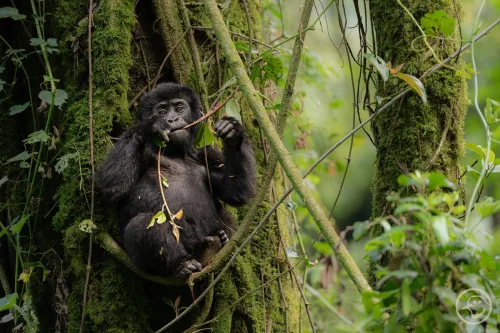 Bwindi Impenetrable National Park is a great example of both the successes and challenges of conservation. Here, money from tourism goes straight to protecting the park, and local people now benefit from wildlife they once saw as rivals for land. The mountain gorillas have come back from near extinction and now stand for the whole ecosystem and the idea that nature is valuable for more than just what we can take from it.
But Bwindi also shows that conservation is not easy and comes with tough choices. The Batwa people's displacement makes us ask who bears the cost of protecting nature. Ongoing pressure from nearby communities proves that conservation must consider people's needs and development. The risk of disease spreading between humans and wildlife shows how closely our health connects to theirs.
Visiting Bwindi is more than just seeing wildlife. Meeting the gaze of a mountain gorilla creates a connection that's hard to describe.
It reminds us of our place in nature and shows our close relationship with other species. It also highlights our unique role in either harming or protecting what remains of the wild. Most people leave Bwindi changed. They take home not just photos and memories. They also carry a deeper sense of why we must save places like this for the future.
Contact us to start planning your gorilla trekking adventure.